

Jewelry soldering demands more precision than general metalwork. With smaller parts and tighter tolerances, the wrong torch can easily melt seams or crack gemstones.
2026’s models offer superior stability. To avoid costly mistakes, here are 7 torches that deliver the precision today’s jewelry work requires.
The 7 Best Soldering Torches for Jewelry Making in 2026
Below are seven soldering torches widely used in jewelry studios, workshops, and professional benches. Each one serves a specific role.
1. Smith Little Torch
Best Overall for Precision Jewelry Soldering
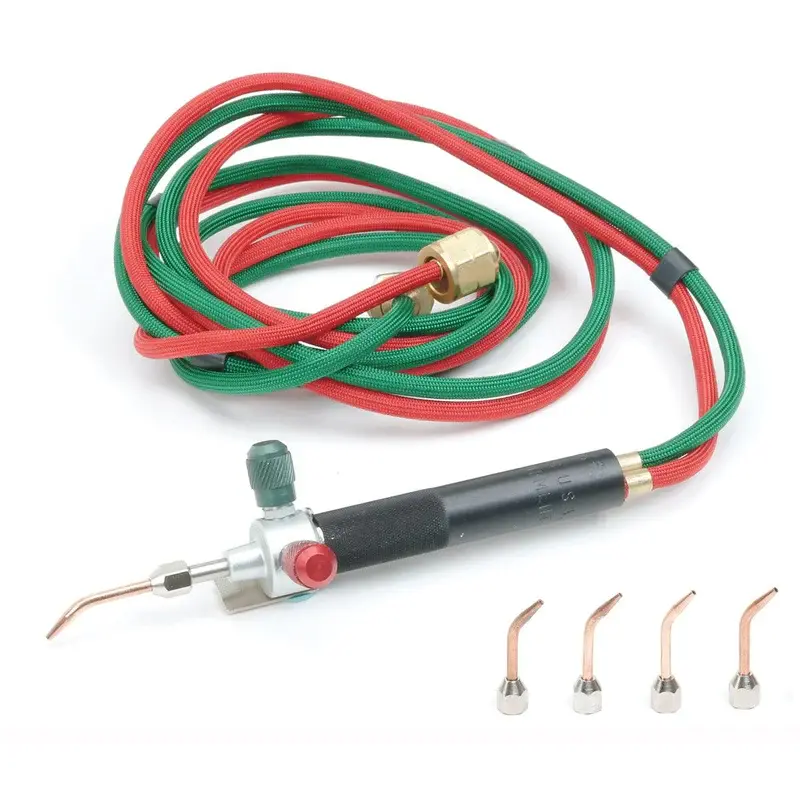
- Key Specifications:
- Flame Type: Oxy-fuel micro flame (down to 0.1mm for pinpoint accuracy)
- Gas Type: Oxygen + Fuel gas (Propane, Acetylene, or Natural Gas)
- Temperature Range: Up to 3,315°C (6,000°F) depending on gas mix
- Control Method: Dual gas regulators with 7 interchangeable tip sizes
- Suitable Jewelry Work: Silver/gold soldering, complex repairs, and precise solder seams on small to medium parts.
- Advantages (Pros): Exceptional flame precision, rock-solid heat stability, and ideal for highly detailed work.
- Limitations (Cons): Requires an external gas setup, higher operating cost, and a clear learning curve.
- Recommended Users: Professional jewelers and advanced artisans in full-time studios.
2. Blazer GB2001 / PRINCE® GB-2001N
Best for Beginners and Budget-Conscious Users
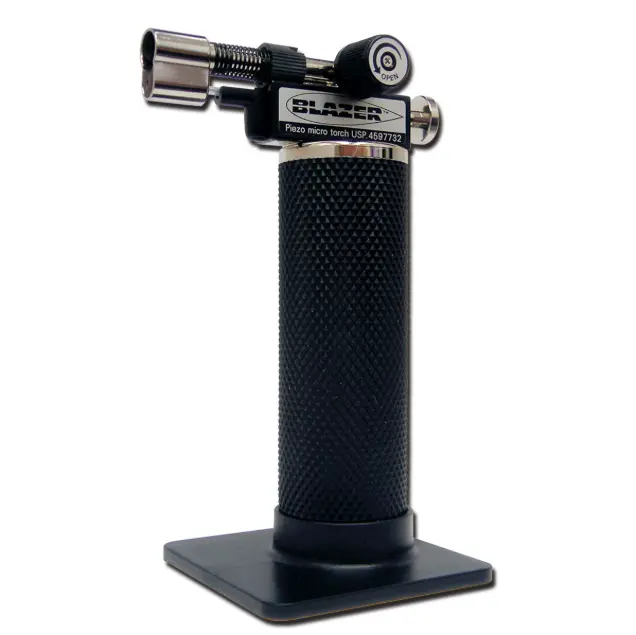
- Key Specifications:
- Flame Type: Adjustable micro flame
- Gas Type: Butane (Refillable)
- Temperature Range: Up to around 1,370°C
- Control Method: Single flame adjustment with piezo ignition
- Suitable Jewelry Work: Basic silver soldering, jump rings, and light gold repairs.
- Advantages (Pros): Extremely easy to use, highly portable, and provides a stable flame for basic tasks.
- Limitations (Cons): Limited heat output; not suitable for thick metal or advanced high-heat control.
- Recommended Users: Beginners, hobbyists, and those doing occasional jewelry repairs.
3. HOKE Jewelers Soldering Torches
Best for Traditional Bench Soldering

- Key Specifications:
- Flame Type: Soft to medium flame
- Gas Type: Propane or natural gas with air
- Temperature Range: Approximately 1,200°C – 1,500°C
- Control Method: Manual valves with 4 interchangeable tip sizes (Fine to Large)
- Inlet Size: Standard 3/8″ (9.5mm) gas and air hose fittings
- Suitable Jewelry Work: General silver soldering, medium-sized components, and routine bench tasks.
- Advantages (Pros): Provides a very consistent flame with simple, reliable construction for daily use.
- Limitations (Cons): Less suitable for very fine details; limited maximum heat; requires a fixed bench setup.
- Recommended Users: Traditional jewelers, small workshops, and training environments.
4. ORCA MP99
Best Mid-Range Butane Torch for Jewelry Work
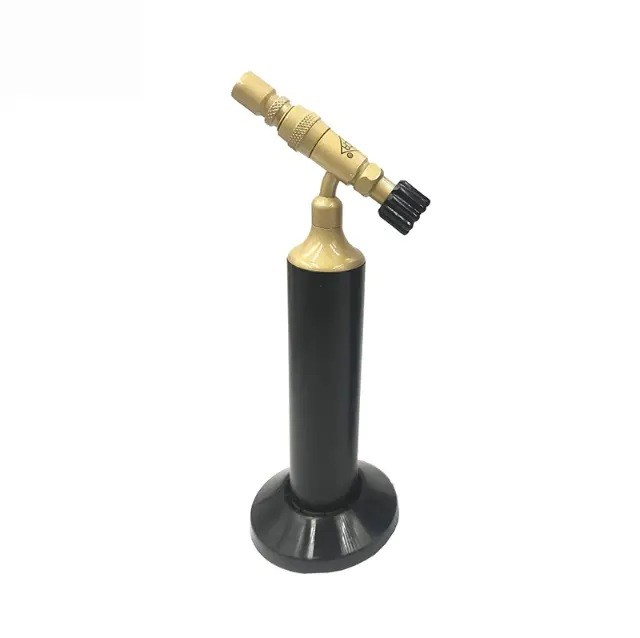
- Key Specifications:
- Flame Type: Focused adjustable flame
- Gas Type: Butane (Refillable)
- Temperature Range: Up to 1,300°C (2,372°F)
- Burn Time: Approximately 60–90 minutes per fill (depending on flame size)
- Control Method: Precision flame regulator with stable, anti-flare output
- Suitable Jewelry Work: Silver and light gold soldering on small to medium parts.
- Advantages (Pros): Superior control compared to basic butane torches; stable flame for longer sessions.
- Limitations (Cons): Still limited for very thick pieces; requires frequent butane refills for heavy use.
- Recommended Users: Intermediate users, small studios, and beginners looking to upgrade.
5. Alfa Mirage RZ-512CR
Best for Fine Detail and Delicate Repairs
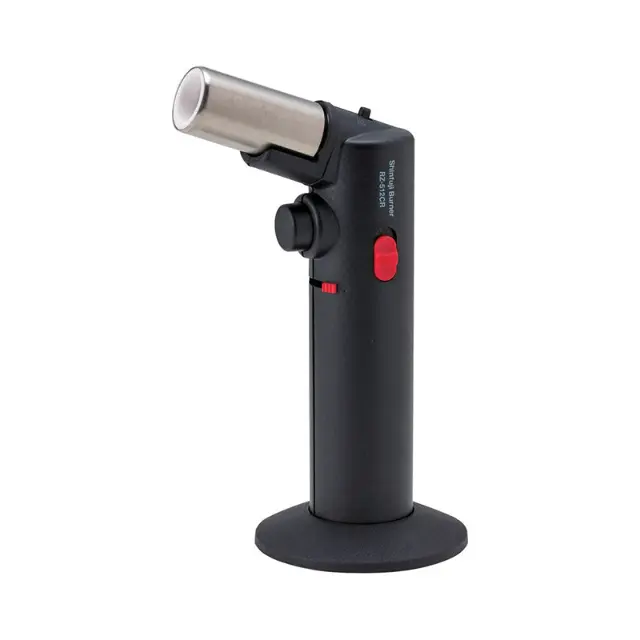
- Key Specifications:
- Flame Type: Ultra-fine precision needle flame (OD 3mm)
- Gas Type: Butane
- Temperature Range: Up to 1,300°C (2,372°F)
- Burn Time: Approx. 90 minutes (with full internal tank)
- Control Method: One-touch piezo ignition with a fine flame adjustment slider
- Suitable Jewelry Work: Fine silver soldering, delicate repairs, and pre-stone-setting prep.
- Advantages (Pros): Excellent precision for tiny joints; lightweight and reduces the risk of overheating.
- Limitations (Cons): Low total heat output; not efficient for batch work or large metal pieces.
- Recommended Users: Detail-oriented jewelers, repair specialists, and stone-setters.
6. ORCA M75
Best for Long-Term Studio Use
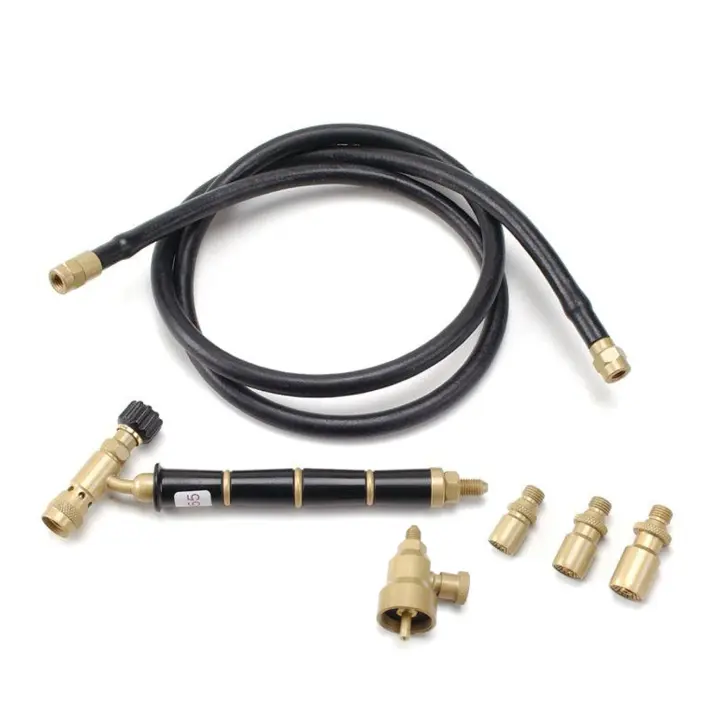
- Key Specifications:
- Flame Type: High-intensity atmospheric flame
- Gas Type: Propane
- Temperature Range: Up to 1,250°C – 1,350°C
- Control Method: Hose-connected regulator with 3 interchangeable tips (Small, Medium, Large)
- Hose Length: Standard 1.5m – 2m industrial grade hose
- Suitable Jewelry Work: Continuous silver and gold soldering on medium to thick pieces.
- Advantages (Pors): Extremely durable; stable flame for long work sessions; highly flexible tip options.
- Limitations (Cons): Requires a formal gas hose and tank setup; less portable than hand-held models.
- Recommended Users: Professional studios, production environments, and daily jewelry makers.
7. PRINCE® GT-3000SB
Best Professional Compact Torch for Reliable Performance
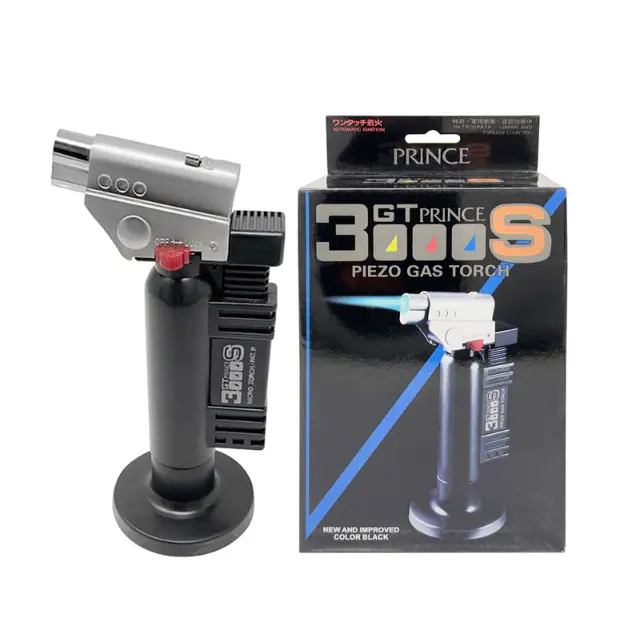
- Key Specifications:
- Flame Type: Adjustable precision blue flame (35mm to 10mm)
- Gas Type: Butane
- Temperature Range: Max 1300°C (2500°F)
- Burn Time: 20–25 minutes of continuous use
- Suitable Jewelry Work: Intensive silver soldering, localized annealing, and consistent bench repairs.
- Advantages (Pros): Extremely lightweight (154g) and ergonomic; offers a highly stable flame for its compact size; industrial build quality.
- Limitations (Cons): Limited gas volume requires frequent refills during high-volume production; 25-minute burn time may be short for heavy casting.
- Recommended Users: Professional bench jewelers, workshop instructors, and mobile artisans needing a reliable handheld power-tool.
Quick Comparison: Which of the 7 Soldering Torches Is Right for You?
Choosing a torch is about matching the tool to your specific workflow:
- Best for beginners: Blazer GB2001 or PRINCE® GB-2001N
- Best for precision: Smith Little Torch or Alfa Mirage RZ-512CR
- Best for long-term studio use: ORCA M75
- Best for professional handheld power: PRINCE® GT-3000SB
- Best value for money: ORCA MP99
Common Soldering Scenarios & Torch Selection Suggestions
- Small silver clasps: Use butane micro torches for quick, low-impact heat.
- Ring joints & repairs: Opt for medium flame control to ensure deep solder penetration.
- Pre-stone soldering: Precision flame models are essential to avoid overheating the setting area.
- Repeated production: A stable, hose-connected torch prevents fatigue and ensures consistency.
Safety and Usage Recommendations
Safety is a hallmark of a professional jeweler. In 2026, ensure your workspace meets these standards:
- Inspection: Always check hose connections and O-rings before lighting.
- Storage: Store gas cylinders upright in well-ventilated areas, away from direct heat.
- Ventilation: Use a dedicated fume extractor to manage soldering gases.
- Protection: Utilize heat shields or soldering grain when working near delicate gemstones.
Conclusion
There is no single “best” torch—only the one that fits your bench. Your choice should depend on your experience level, the scale of your pieces, and your studio setup. When your tool matches your intent, soldering becomes a predictable, controlled, and creative process.
Ready to choose a reliable soldering torch for jewelry making? Explore professional-grade jewelry tools for every skill level at the JYBS official website.