

Routine bench repairs—such as ring sizing, retipping prongs, swapping clasps, and surface refinishing—typically operate on fixed retail price points. Because you cannot simply double your repair rates to increase revenue, your hourly output dictates your profit margins.
The true value of investing in high-grade jewelry repair tools.
1. Rapid Ring Sizing & Reshaping
Reshaping and resizing plain wedding bands or shank sections accounts for a significant portion of daily bench work. Relying solely on steel mandrels and rawhide mallets is noisy, slow, and often leaves uneven wall thicknesses.
Heavy-Duty Lever-Action Ring Stretcher & Reducer
Traditional sizing by hammering stretches metal unevenly and risks warping the profile. A heavy-duty, lever-action ring stretcher utilizes a precision-machined spline mandrel and an indexed reducing die plate to resize bands in seconds.
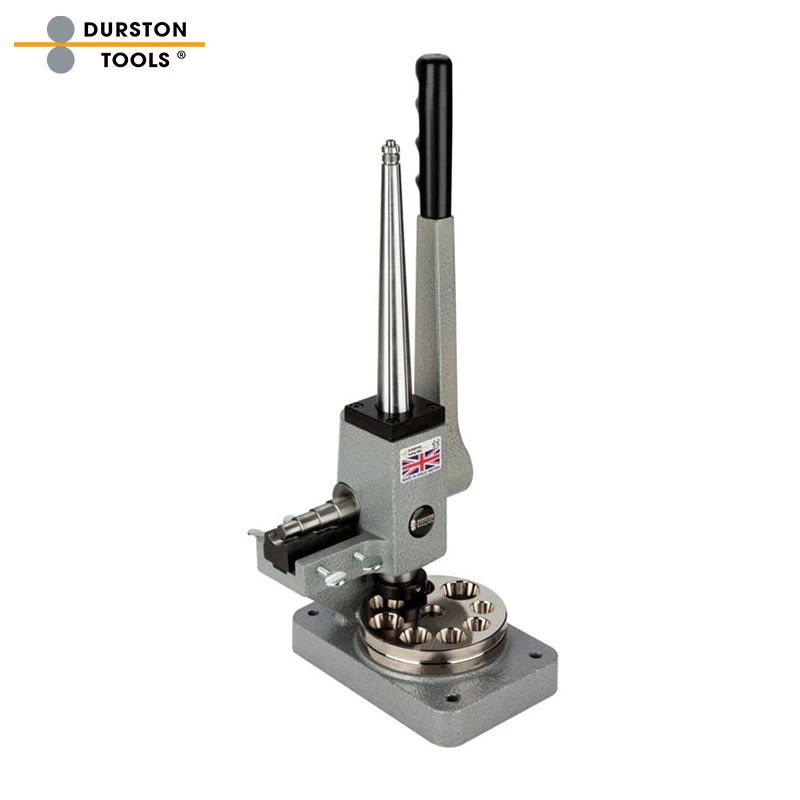
- Speed Advantage: Expands or compresses seamless precious metal bands across multiple full sizes in a single, smooth stroke.
- Structural Integrity: Distributes mechanical force uniformly around the circumference, preserving perfect roundness and eliminating the need for post-sizing truing.
Parallel Action & Nylon-Jaw Pliers
Standard pivot pliers apply uneven pressure along a closing arc, which can pinch edges or leave gouges on gold and platinum shanks.
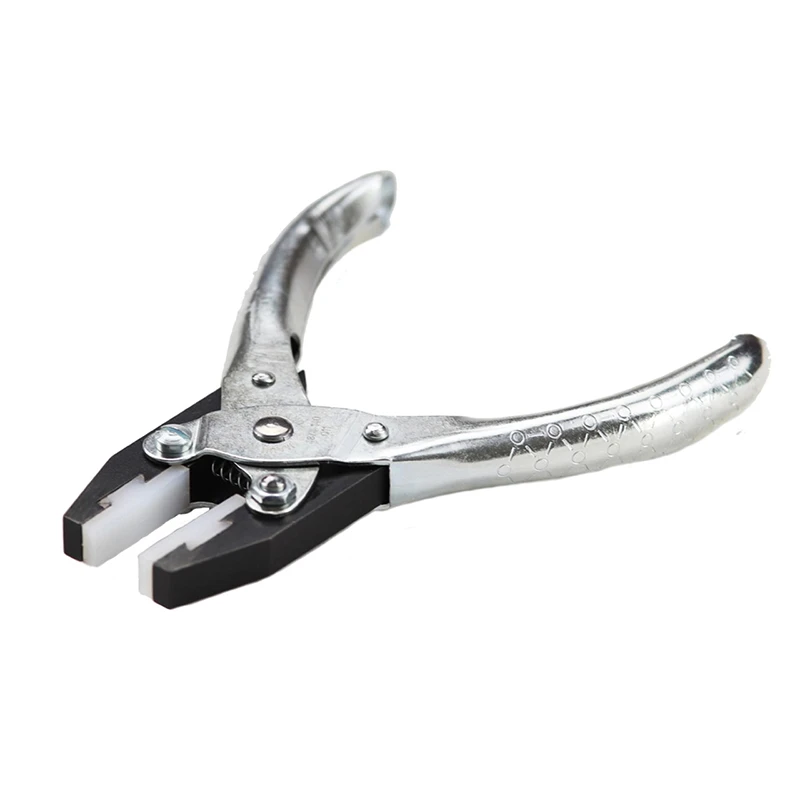
- Non-Marring Grip: Parallel-closing jaws remain square throughout the squeeze, spreading clamping force evenly across the workpiece.
- Less Clean-Up: Outfitted with replaceable nylon inserts, these pliers let you bend, adjust, or hold finished ring shanks without leaving tooling marks, eliminating minutes of abrasive clean-up later.
2. Precision Cutting & Carving
Micro-machining settings, cutting precise seats for replacement stones, and cleaning up solder seams require absolute rotary control.
High-Torque Brushless Micromotor Systems
While classic flexible shaft machines are dependable workhorses, high-torque brushless micromotors represent a major leap forward for delicate repair operations.

- True Runout (~0.02 mm): Delivers clean, vibration-free bur cuts without chattering or skipping across delicate prongs.
- Integrated Quick-Change: Allows you to swap rotary tools and bur profiles in two seconds flat without hunting for a chuck key.
- Brushless DC Drive: Eliminates carbon brush replacement while keeping the handpiece cool during extended grinding and cutting sessions.
- Constant Low-End Torque: Prevents the motor from stalling under load, which is critical for smooth, controlled prong seat cutting on tough alloys like platinum.
The handpiece eliminates drag and wrist fatigue, giving you total precision during detailed setting repairs.
Premium Tungsten Carbide & Diamond Burs
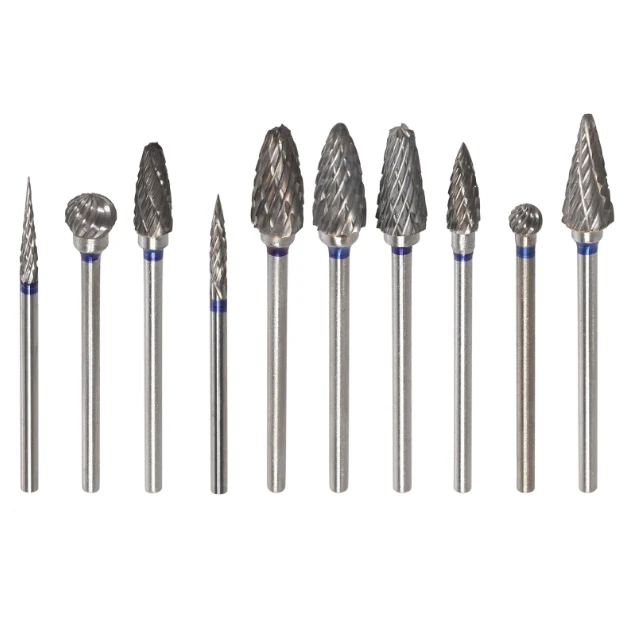
Cheap steel burs dull quickly on white gold and platinum, generating excess friction and causing metals to smear or gum up the teeth. Precision-cut tungsten carbide burs clear chips cleanly and maintain sharp cutting flutes, preventing heat buildup and delivering crisp, flat seats for replacement melee diamonds.
3. Micro-Welding & Soldering (No Stone Removal)
Thermal management during jewelry repair often consumes more time than the actual fix. Traditional torch soldering requires unsetting heat-sensitive stones (like emeralds, opals, or pearls) or packing settings with bulky thermal paste. Micro-welding bypasses this entire cycle by allowing you to make direct pinpoint repairs with the gemstones safely mounted in place.
Pulse Arc Welders & Precision Micro-Torches
Pulse arc welding systems deliver concentrated energy to a pinpoint target within milliseconds.
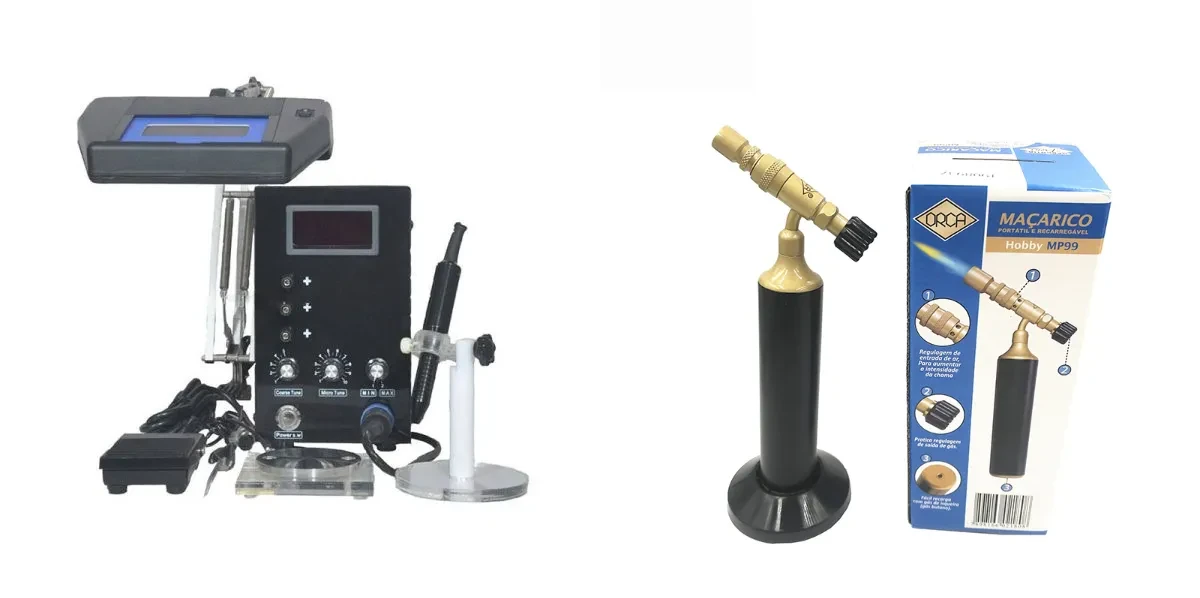
- Minimal Heat-Affected Zone (HAZ): The energy discharge is so localized that surrounding metal millimeters away stays cool to the touch.
- Direct Repairs: Re-tip prongs, rebuild bezel walls, and weld broken chain links directly next to fragile gems without unsetting or messy paste setup.
Magnetic Third Hand Systems
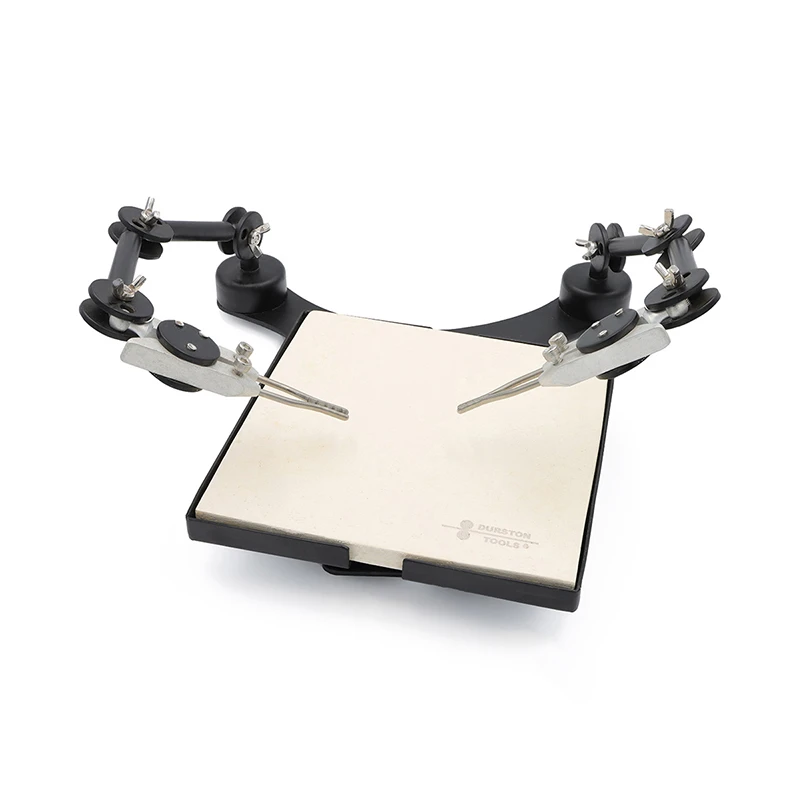
Fumbling with cross-locking tweezers weighted down on the bench wastes valuable time. Heavy-base magnetic third hand setups utilize articulated arms with fine-tension ball joints. They lock irregularly shaped pieces at exact angles on the first try, giving you a steady, rigid hold for one-pass micro-welding and torch work.
4. Workholding & Rapid Stone Setting
Improper workholding causes slipped tools, scratched mountings, and hand fatigue. Upgrading to adaptable clamping systems stabilizes parts instantly.
Mini Ball Vise Paired with Thermo-Loc
Holding delicate rings or broken filigree components in a standard wooden hand clamp often lacks stability for heavy stone setting or pavé repair.
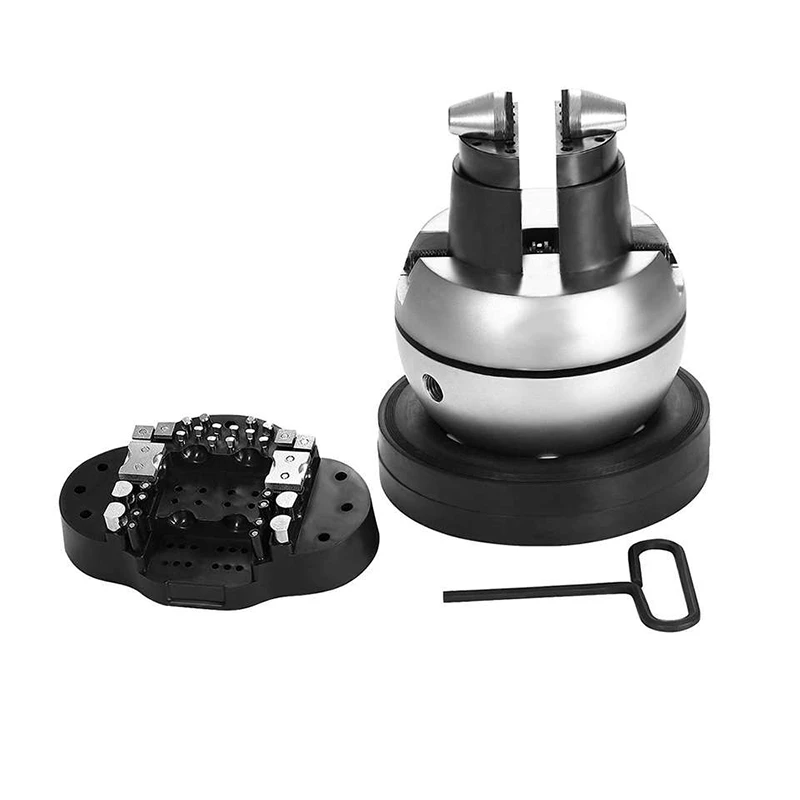
- 360° Articulation: A compact ball vise rotates smoothly on internal bearings, positioning the repair area directly beneath your loupe or bench microscope.
- Instant Custom Fixturing: Using quick-set polymer compounds (like Thermo-Loc) secures asymmetrical, organic, or fragile mountings. The material softens in hot water, molds securely around the piece within seconds, hardens rock-solid at room temperature, and dissolves away cleanly in warm water after the repair.
Quick-Change Gravers
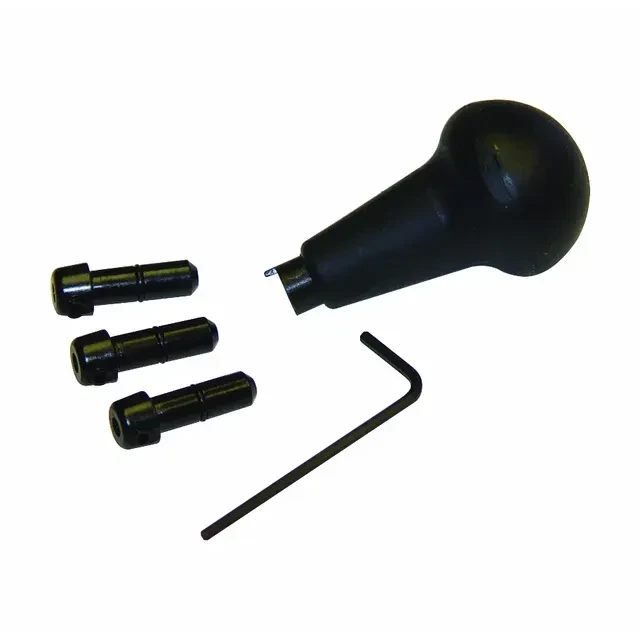
Hand-sharpening and re-indexing gravers in fixed wooden handles eats into production hours. Modern quick-change QC systems utilize standardized collets that snap directly into pneumatic handpieces or ergonomic palm handles, letting you switch from a flat graver to an onglette tool in one click.
5. Rapid Finishing & Polishing
Finishing is where most repair work hits a bottleneck. Transitioning through four or five abrasive grit stages to remove a solder mark adds needless bench time.
Radial Bristle Discs
Impregnated with ceramic abrasive grains, radial bristle discs bypass traditional messy buffing pastes:
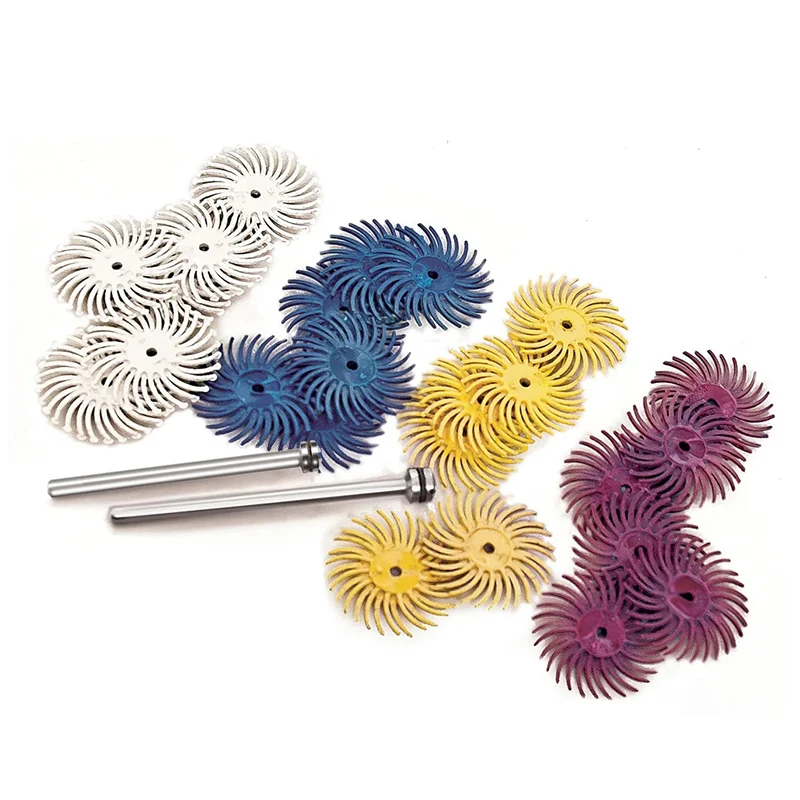
- Quickly remove fire scale, surface oxidation, and excess solder seams.
- Thin, flexible bristles slip between under-galleries and tight prong clusters without rounding off crisp edges or destroying delicate details.
High-Efficiency Multi-Stage Wheels & Composite Compounds

Modern two-step finishing compounds streamline preparation. A single aggressive pre-polish compound levels solder seams and removes scratches, followed immediately by an ultra-fine dry compound on a micro-stitched buff. This condenses the traditional multi-wheel polishing sequence into a fast, two-step operation while maintaining a crisp, distortion-free mirror finish.
Optimizing Your Bench for Speed
The right tools only deliver their full return if your bench layout is arranged for rapid access.
- Immediate Reach (10–14″ Arc Radius): Keep high-frequency tools directly in front of your bench pin—including your micromotor handpiece, magnetic third hand, solder pick, precision pliers, and quick-change gravers.
- Secondary Zone (16–22″ Reach): Position larger or setup-specific equipment just outside your core sweep, such as your ring stretcher/reducer, pulse arc control console, bur blocks, and rotary consumables.
Key Tool Selection Criteria
When adding new equipment to your setup, evaluate tools using four primary criteria:
- Concentricity & Runout: Ensure rotary systems exhibit zero noticeable runout (under 0.02 mm) to prevent tool chatter and broken drill bits.
- Torque at Low RPM: Motors must deliver stable torque even at lower operating speeds so burs do not stall on tough alloys like platinum.
- Changeover Speed: Favor twist-chucks, collet systems, and quick-set fixtures that minimize setup time between tasks.
- Thermal Containment: Choose welding equipment that restricts the heat-affected zone to protect mounted stones and delicate joints.
Scaling Your Repair Capacity
Upgrading your bench setup does not require replacing every piece of equipment at once. Begin by identifying your biggest workflow bottlenecks—whether that is time spent unsetting stones, struggling with bur vibration during setting, or multi-step polishing routines—and address those specific stages first.
For jewelers, retail workshops, and commercial repair centers looking to outfit workstations with dependable, trade-tested jewelry repair tools, JYBS is a trusted jewelry tools supplier providing a comprehensive selection of high-precision bench equipment, rotary tools, and workshop consumables. With complete catalog support for both individual workstations and bulk wholesale supply, JYBS delivers the durability and precision needed to keep professional benches running at peak efficiency.