

Why 24K Pure Gold Processing Needs a Specific Type of Rolling Mill
- Unique Metallurgical Challenge: Processing 24-karat (99.99%) pure gold presents a unique metallurgical challenge that is entirely different from working with standard alloys.
- Malleability and Yield Strength: 24K gold is exceptionally malleable and possesses an incredibly low yield strength; it is often described by goldsmiths as being “dead soft.”
- Mechanical Force Requirements: Because it lacks alloying elements like copper or silver to give it structural rigidity, it requires very little mechanical force to reduce its thickness. Therefore, a massive 7:1 reduction gear is entirely unnecessary for pure gold.
- Extreme Softness Vulnerability: However, the extreme softness of 24K gold is also its greatest vulnerability. Pure gold acts like a sponge for surface textures.
- Surface Flaw Mapping: If a rolling mill has even microscopic pitting, rust spots, or machining marks on its steel rollers, the pure gold will instantly map and emboss those flaws onto its surface.
- Dedicated Mill Priorities: A mill dedicated to 24K pure gold must prioritize absolute, flawless surface finish over raw crushing power. The rollers must be polished to an optical-grade mirror finish and maintain an HRC hardness high enough to prevent accidental scratching from tools or dust in the workshop.
Key Technical Specs for 24K Pure Gold Applications
When rolling pure gold, surface integrity and contamination prevention are your primary objectives.
| Specification | Recommended Range | Why It Matters for 24K Gold |
| Roller Finish | Optical Mirror Polish | Essential. Any microscopic imperfection on the steel will transfer directly to the ultra-soft 24K gold sheet, requiring excessive polishing later. |
| Roller Hardness | HRC 62 – 64 | While pure gold won’t scratch the rollers, ambient workshop dust or accidentally rolling a steel tweezer will. High hardness protects the mirror finish. |
| Drive System | Direct Drive (1:1) up to 4:1 | While extreme high torque isn’t strictly necessary for pure gold, a refined 4:1 ratio strikes the perfect balance. It provides effortless, smooth operation while maintaining the critical tactile feedback needed when rolling delicate, paper-thin 24K gold foil. |
Top 3 Rolling Mill Recommendations for 24K Pure Gold Processing
Engineered for flawless surface transfer and precision, these JYBS manual mills feature a refined 4:1 reduction gear ratio—providing the exact tactile feedback and smooth operation required for handling delicate, high-purity gold:
1. Flat Rolling Mill 130MM(L)65MM(D) – JYBS
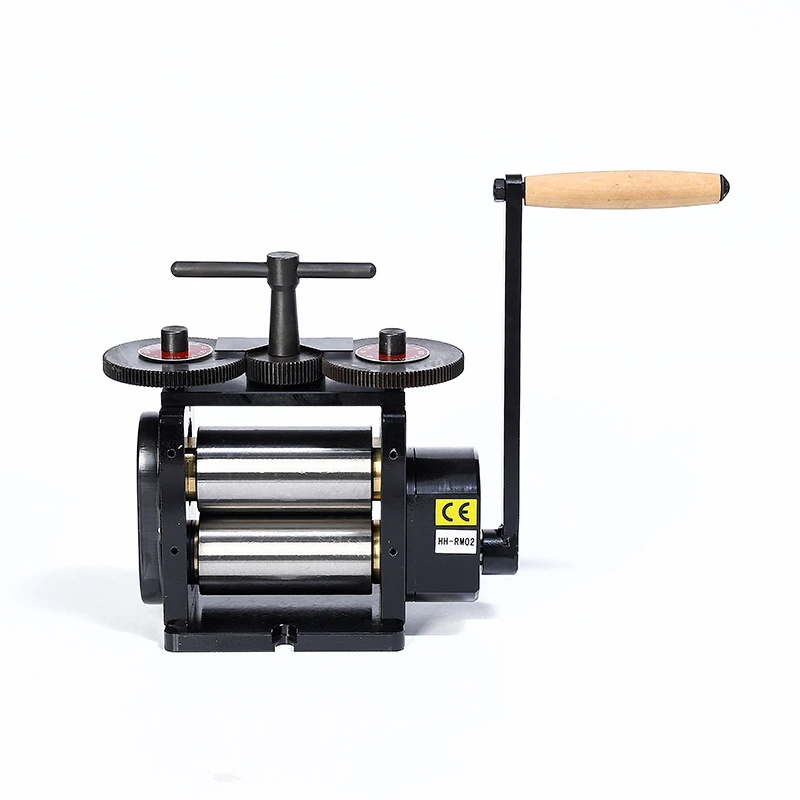
- Specs: 130mm dedicated flat area, 65mm roller diameter, 4.5mm maximum opening, 4:1 Gear Ratio.
- Verdict: The absolute purist’s choice for gold foil and sheet metal. By dedicating the entire 130mm width to a flat surface, this mill eliminates wire grooves completely. This maximizes the flawless surface area needed to roll wide, pristine sheets of 24K gold for traditional high-karat wedding jewelry or ultra-thin Keum-boo foil without any risk of edge-marking.
2. Combination Rolling Mill 130MM(L)65MM(D) – JYBS
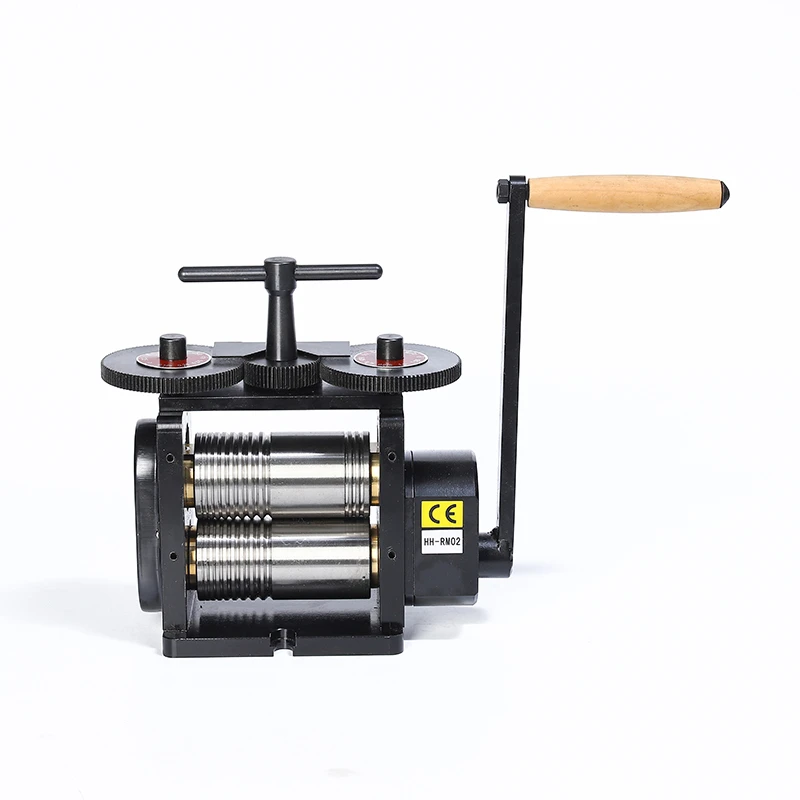
- Specs: 65HRC induction-hardened mirror rollers, 63mm flat area + square/half-round wire grooves, Aircraft-quality aluminum 4:1 gear box.
- Verdict: The ultimate hybrid tool for goldsmiths crafting 24K chains and complex pieces. The exceptional 65HRC roller hardness guarantees the mirror finish remains pristine against workshop dust. The meticulously machined square grooves (1.0mm to 6.5mm) allow you to draw pure gold wire smoothly without leaving sharp drag marks that cause “dead soft” gold to snap during the final drawplate phase.
3. US Type 130MM Manual Rolling Mill For Jewelry – JYBS
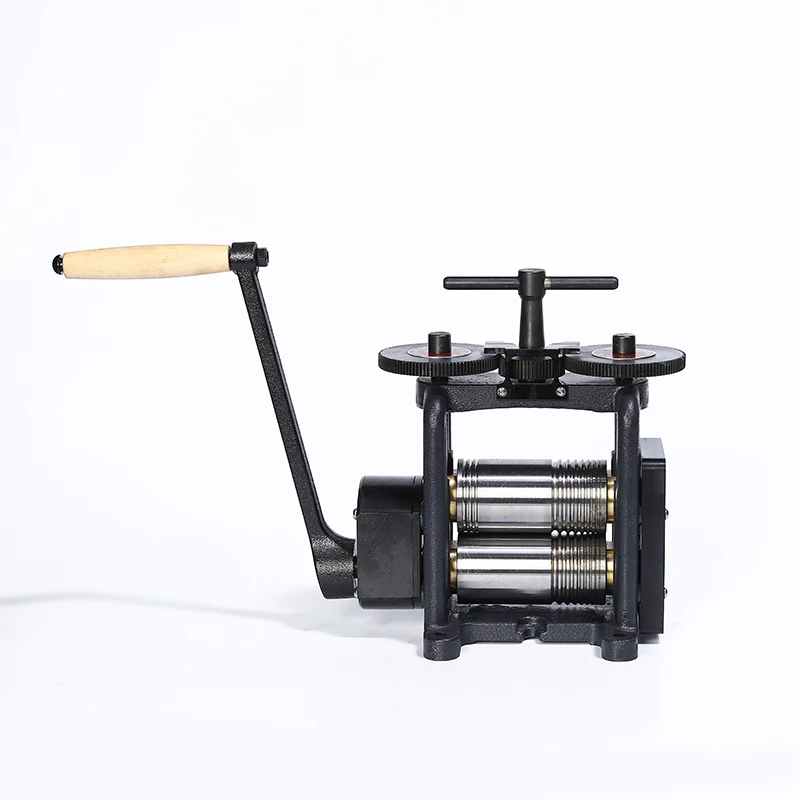
- Specs: 5mm maximum opening, 63mm flat area, robust structural design, versatile wire and ring shank profiling.
- Verdict: Designed specifically for craftsmen who require a slightly larger starting billet (up to 5mm opening) while relying heavily on tactile feedback. Because 24K gold requires very little force to compress, the solid 4:1 gear ratio combined with the manual hand crank allows you to physically feel the metal’s resistance. This enables high-precision thickness reductions without over-compressing or tearing the soft metal.
Maintenance Tips for 24K Pure Gold Workshops
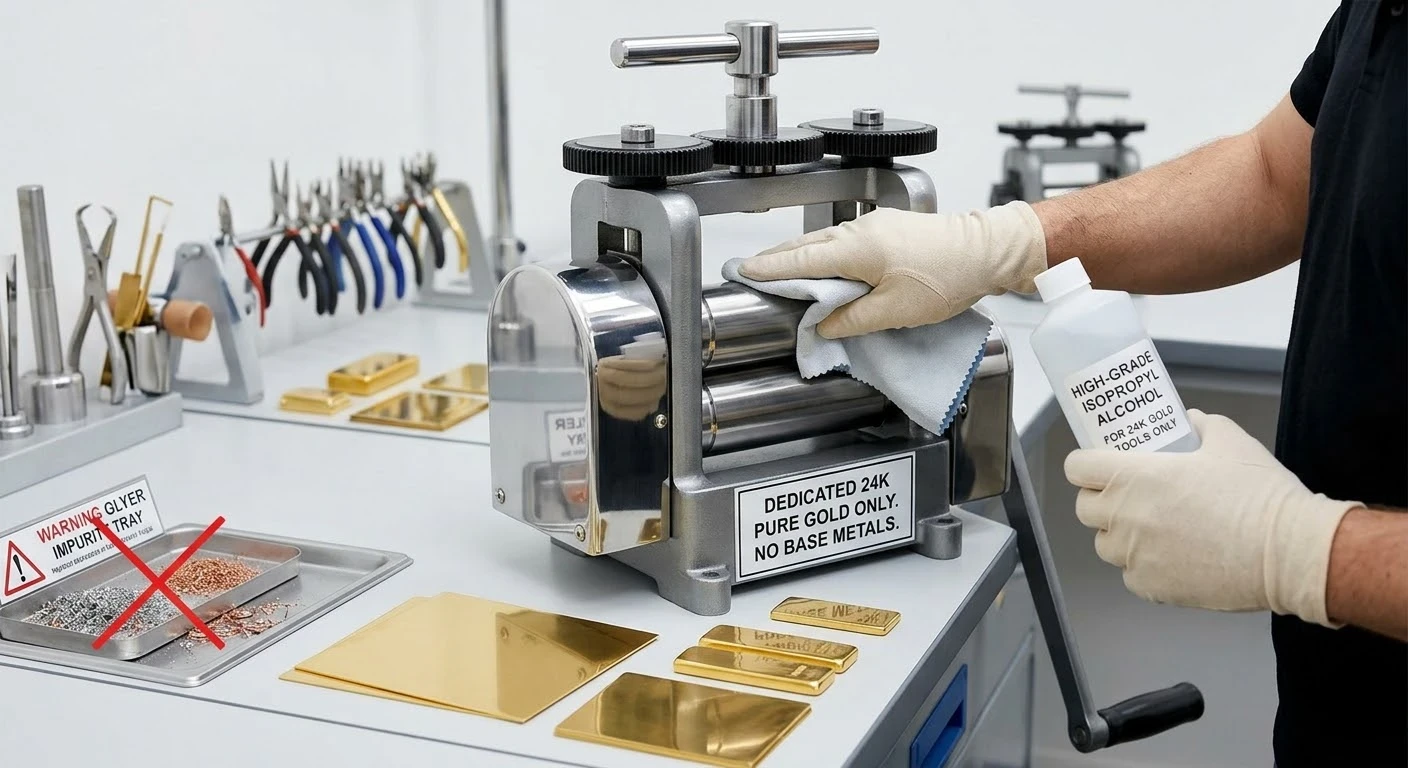
- Cross-Contamination Prevention: Cross-contamination is the enemy of 24-karat gold.
- Impurity Risks: If you use your mill to roll sterling silver or copper, microscopic flakes of those base metals will remain on the rollers and press into your pure gold, causing localized discoloration or dropping its assay purity.
- Equipment Specialization: A 24K rolling mill should strictly be a dedicated machine.
- Pre-Rolling Cleaning: Before rolling, wipe the rollers with a clean microfiber cloth and high-grade isopropyl alcohol to remove any airborne dust.
- Roller Surface Care: Never use heavy, sticky machine grease on the roller surface, as it will attract abrasive particulate matter.
Frequently Asked Questions about 24K Pure Gold Tools
- Q: Do I need to anneal 24K gold while rolling?
- A: Yes, but far less frequently than 14K or 18K gold. 24K gold is incredibly ductile and can undergo massive reductions (often up to 80% of its thickness) before work-hardening requires an annealing cycle.
- Q: Why does my pure gold stick to the rollers?
- A: This usually happens when the rollers are too dry, or the gold is rolled too thin too quickly. Lightly lubricating the gold billet with a tiny amount of natural beeswax can prevent sticking.
- Q: Can I use a motorized mill for 24K gold?
- A: It is generally not recommended unless you are running a large-scale factory. Motorized mills pull the metal through very quickly, which can easily tear ultra-soft pure gold if the tension is set improperly.
- Q: How do I remove a scratch from my mill’s rollers?
- A: You cannot do this at the bench. If the HRC 64 steel is scratched, the rollers must be removed and sent to a specialized machine shop to be reground and re-polished on a lathe.
- Q: Is a combination mill bad for pure gold?
- A: Not necessarily, but the edges of the V-grooves must be perfectly chamfered. Sharp groove edges can slice into soft 24K gold, causing the wire to split.
Ready to upgrade your 24K Pure Gold setup? Get a Quick Quote. Our team will provide a detailed quote sheet within 3 hours.