
Choosing a Gold Melting Furnace can be tricky. Different models offer different speeds, precision, and safety levels. The key is knowing what really matters for your type of work—and that’s exactly what this guide will help you figure out. Let’s skip the theory and focus on what really matters when picking the right one.
I. Melting Type/Technology
There are two main types you’ll come across: Induction Furnaces and Resistance Furnaces.
They do the same job, but they behave very differently.
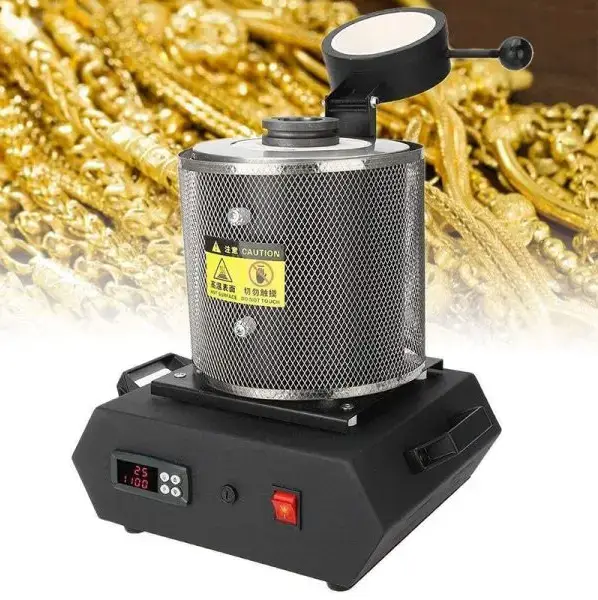
A. Induction Furnace: This one uses electromagnetic heat. The crucible heats up from inside, so it melts gold fast and evenly. You’ll get better control over temperature and spend less on power. If you melt gold often or in larger batches, induction is usually the smarter pick.
B. Resistance Furnace: The resistance type uses heating coils around the crucible. It’s slower, but cheaper upfront and easier to maintain. For small studios or hobby work, it can still do a fine job.
Most jewelers who work full-time move to induction eventually — it’s faster, cleaner, and less stressful during long production days.
II. Melting Capacity and Power
Before you buy, ask yourself how much gold you actually melt in a day.
A. Melting Capacity: Furnaces are often rated by batch size — maybe 1kg, 3kg, or even 10kg. Don’t undersize it. It’s easier to run a big furnace at half load than to overwork a small one. A little extra capacity gives you flexibility when orders increase.
B. Melting Power: Power affects how fast the metal reaches its pouring temperature. As a rule of thumb, multiply your capacity (in kg) by around 5. That gives you a rough idea of how many kilowatts you’ll want. Not exact science, but close enough to keep things running efficiently.
III. Temperature Control and Accuracy
Temperature might sound like a detail, but it’s the line between a clean pour and a mess.
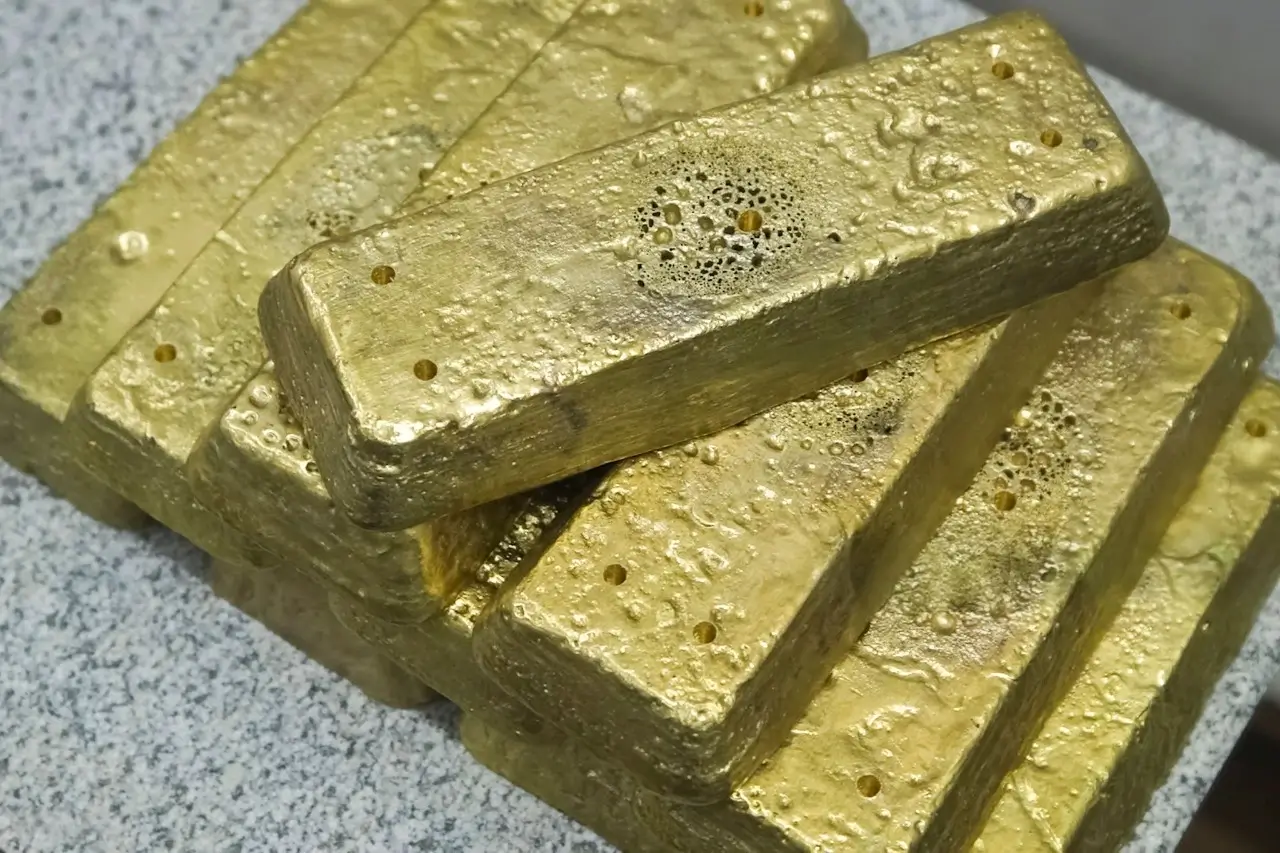
A. Maximum Temperature:Gold melts at 1064°C. You’ll want a furnace that can go a bit beyond that — ideally around 1200°C — so you get a nice, smooth pour instead of a sluggish one.
B. Temperature Control Accuracy: If you deal with alloys or karat gold, accuracy is critical. Look for digital controls that can stay within ±1°C. That tiny difference can decide whether your alloy color turns out right or off-tone.
IV. Crucible Material and Type
This part doesn’t get enough attention, but it should. The crucible is where the real work happens — and where many people lose efficiency.
A. Crucible Material: Most furnaces use graphite or silicon carbide crucibles. Graphite handles high heat but burns out faster. Silicon carbide resists oxidation and lasts longer, which helps if you melt daily. If your furnace runs almost every day, silicon carbide pays for itself over time.
- Ease of Replacement: Try to pick a furnace that lets you swap crucibles quickly. Every extra minute of downtime adds up. Also, make sure replacements are easy to get — and not overpriced.
V. Safety Features
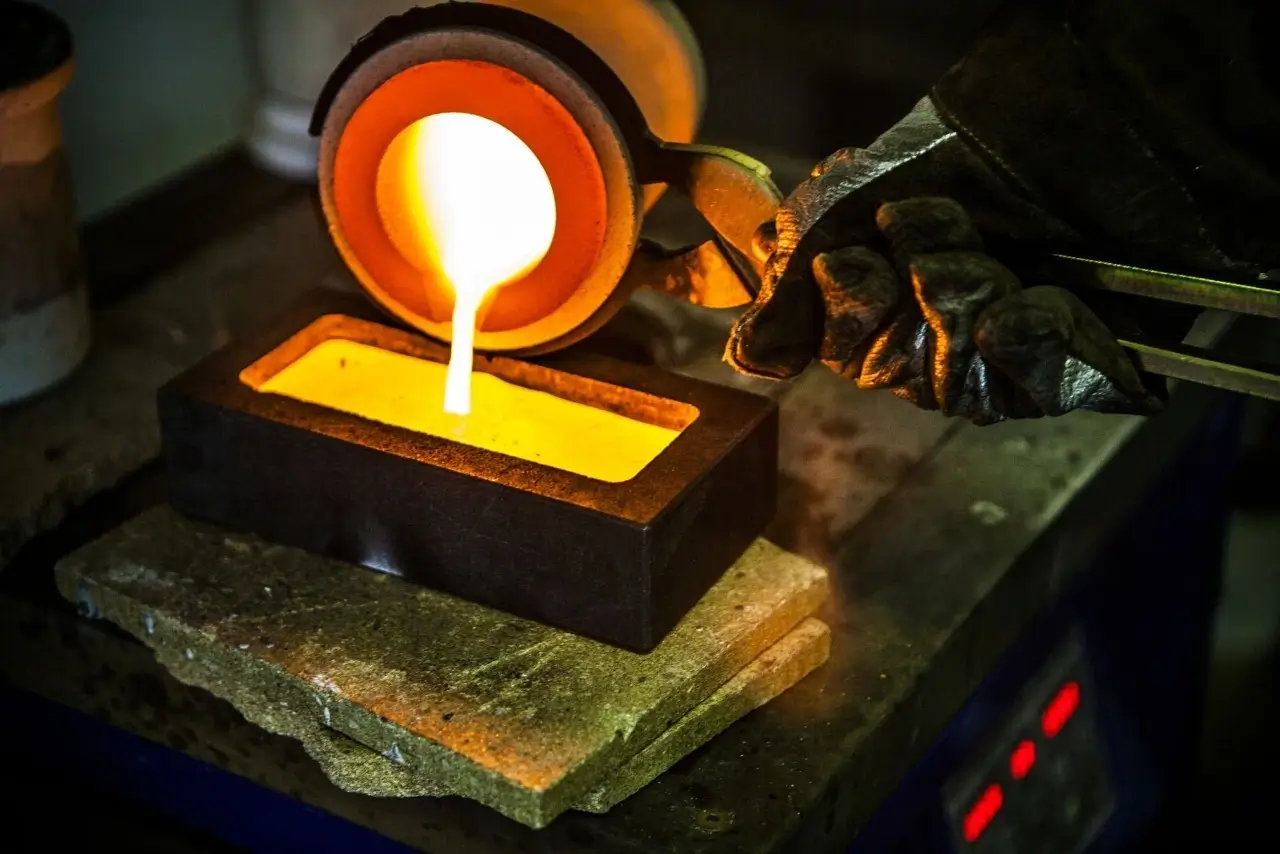
Molten gold is beautiful to look at but dangerous to handle. Good Gold Melting Furnaces come with built-in protection for a reason.
A. Insulation and Cooling: The furnace should stay cool on the outside, even when the crucible is white-hot. Induction models often include a water-cooling system that keeps everything stable during long runs.
B. Protection Mechanism: You’ll want automatic cutoffs for overloads or overheating. A small circuit issue shouldn’t risk a whole batch — or worse, an injury.
C. Tilting Method: If you’re melting several kilos at a time, tilting the furnace by hand is risky. Automatic or semi-automatic tilting makes pouring smoother and safer.
VI. Durability and Maintenance
A furnace is a long-term partner in your workshop. You don’t want one that breaks down every few months.
A. Lifespan of Key Components: Ask how long the heating coils or temperature sensors last. Good brands are transparent about this. Cheap ones usually aren’t.
B. Furnace Structure: The body should feel solid. If it shakes or rattles during heating, that’s a red flag.
C. After-Sales Support: Technical support and parts availability matter more than most buyers realize. When something goes wrong, fast help keeps your schedule intact.
VII. Cost and Budget
It’s tempting to buy the cheapest option, but that rarely works out in the long run.
A. Initial Investment: Induction furnaces cost more upfront, but the energy efficiency and precision make up for it.
B. Operating Costs: Electricity and crucible replacements are your main running expenses. Efficient furnaces keep both under control.
C. Return on Investment (ROI): When you factor in better melting consistency and less waste, the real cost difference between models often disappears.
Quick Thought:
Resistance Furnace – lower price, higher energy bill.
Induction Furnace – higher price, lower energy bill, better consistency.
Conclusion
Choosing a Gold Melting Furnace isn’t about chasing the most advanced machine. It’s about finding one that fits the way you work.
If you focus on melting method, capacity, temperature accuracy, crucible quality, and long-term reliability, you’ll end up with a furnace that pays for itself quietly — through smooth pours, safe operation, and fewer headaches.
Ready to make the purchase? Get your Gold Melting Furnace at JYBS now.