

Why Palladium Processing Needs a Specific Type of Rolling Mill
- Palladium Popularity: A Platinum Group Metal (PGM) serving as a lightweight, hypoallergenic alternative to platinum and white gold.
- Metallurgical Fabricating: Notoriously finicky to fabricate from a metallurgical standpoint.
- Gas Absorption Susceptibility: Highly susceptible to gas absorption (specifically hydrogen and oxygen) when heated, despite having a high melting point and resistance to oxidation.
- Internal Brittleness: If an ingot absorbs gases during the melt, it becomes internally brittle.
- Standard Rolling Mill Defect: Passing a brittle palladium ingot through a standard rolling mill causes the sheer stress to fracture it internally, a defect known as “micro-tearing.”
- Required Compression Type: To successfully process palladium, the rolling mill must provide absolute, unyielding, and perfectly parallel compression.
- Frame Strength Importance: A mill with a weak frame will flex, applying uneven pressure that exacerbates any internal porosity in the metal.
- Mandatory Reduction Gear: Because palladium is tough and highly resistant to deformation, a massive 5:1 or 6:1 reduction gear is mandatory to prevent the operator from stalling mid-roll.
Key Technical Specs for Palladium Applications
Processing PGMs requires industrial-grade structural rigidity to prevent catastrophic metal fatigue.
| Specification | Recommended Range | Why It Matters for Palladium |
| Frame Rigidity | Solid Cast Steel Unibody | Palladium’s toughness will cause standard bolted frames to micro-flex. A solid unibody ensures the rollers remain perfectly parallel under extreme load. |
| Gear Ratio | Minimum 5:1 | Required to generate the smooth, continuous torque needed to compress palladium’s dense crystalline structure without jerking. |
| Roller Hardness | HRC 64 – 65 | Palladium alloys (like 950Pd) are incredibly tough; standard HRC 60 rollers can become permanently scored by palladium ingots. |
Top 3 Rolling Mill Recommendations for Palladium Processing
Engineered for the extreme demands of Platinum Group Metals, these mills will not flex under pressure:
1. 1.5HP 2 Heads Electric Rolling Mill – JYBS
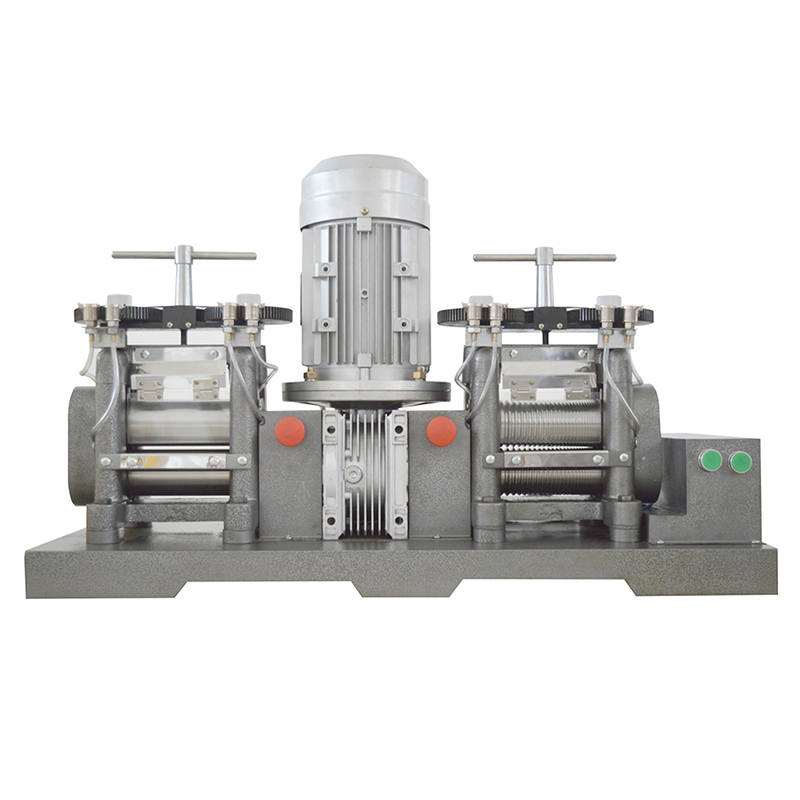
- Specs: 1.5HP (1100W) electric motor, dual-head design, 140mm roller width, 24 graduated wire grooves (1mm to 7mm), massive 177kg (390lb) industrial build.
- Verdict: The ultimate industrial solution for processing tough palladium pours. Because palladium resists deformation, human fatigue during manual cold rolling can lead to mid-roll stalls and uneven passes, exacerbating internal gas flaws. This 177kg electric powerhouse removes human error entirely, delivering absolute, continuous mechanical compression. The incredible array of 24 wire grooves allows for the ultra-gradual step-downs necessary to preserve the metal’s grain structure without micro-tearing.
2. Durston® DRM Rolling Mills DRM C150RE
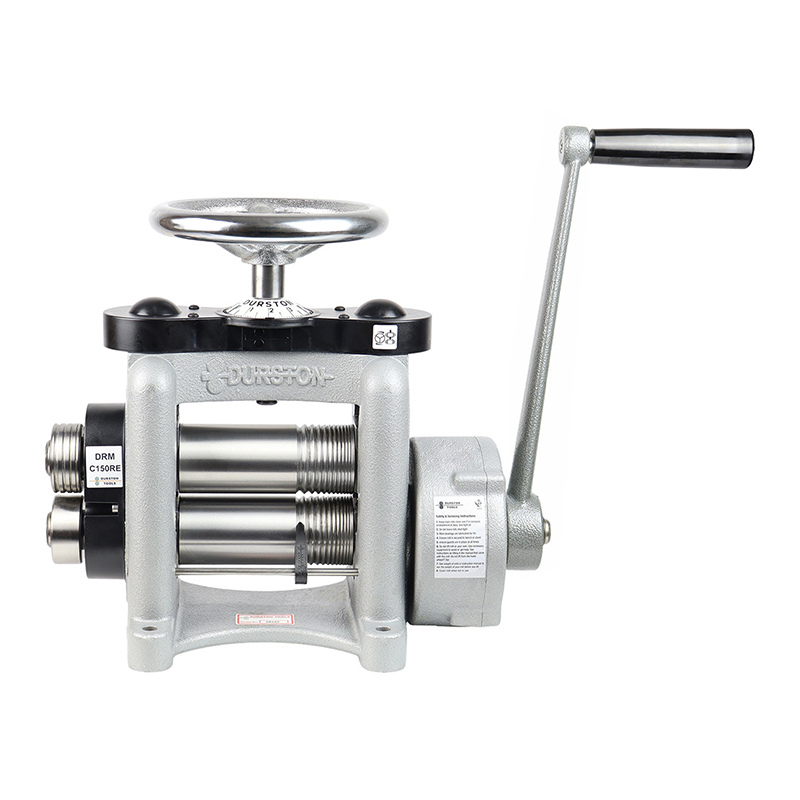
- Specs: 150mm combination width, true 5:1 Reduction Gearbox, 11 square grooves, max wire capacity of 8mm.
- Verdict: The absolute apex manual tool for palladium and platinum fabricators. As highlighted in our technical breakdown, manual palladium processing mandates massive torque. The DRM C150RE features a heavy-duty 5:1 reduction gear, generating the smooth, continuous rotational force needed to compress dense PGM structures. Its uncompromising cast unibody and wide 150mm rollers guarantee perfectly parallel compression, preventing the micro-flexing that causes internal fractures.
3. Single Sided 1.5HP Desktop Electric Rolling Mill – JYBS
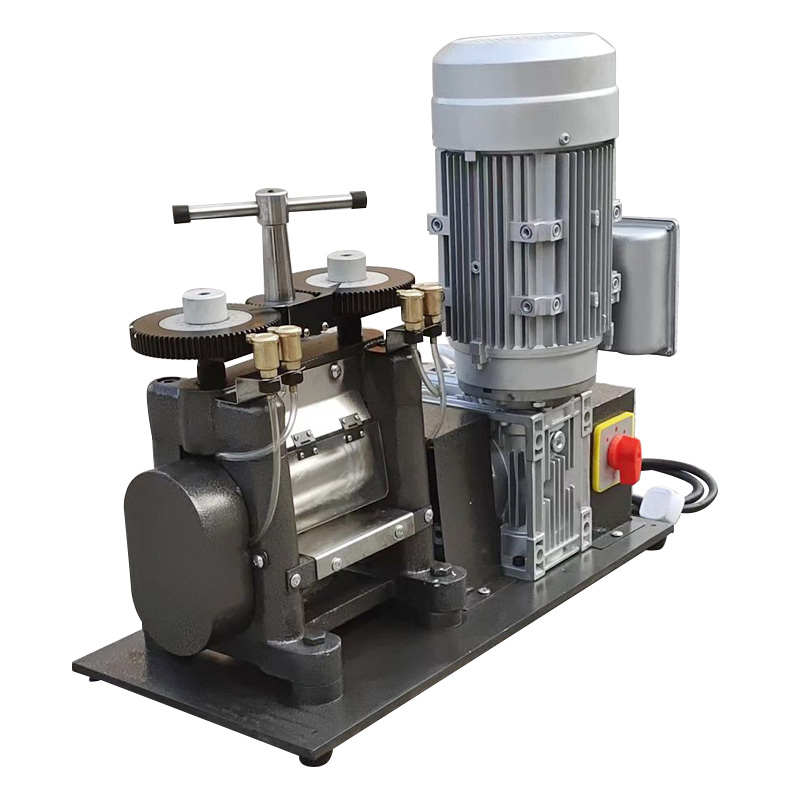
- Specs: 1.5HP (1.125KW) electric drive, 140mm combination Chrome Steel rollers (70mm flat area, 11 square grooves), compact 70kg desktop footprint.
- Verdict: Essential for specialists who require electric torque but have limited studio space. The consistent 1.5HP electric drive ensures you can take the continuous, shallow passes required to prevent edge-cracking in sensitive palladium alloys like 950Pd. The hardened chrome steel rollers easily withstand PGM toughness, while the motorized feed eliminates the jerky stop-and-start movements that cause shear stress in standard manual mills.
Maintenance Tips for Palladium Workshops
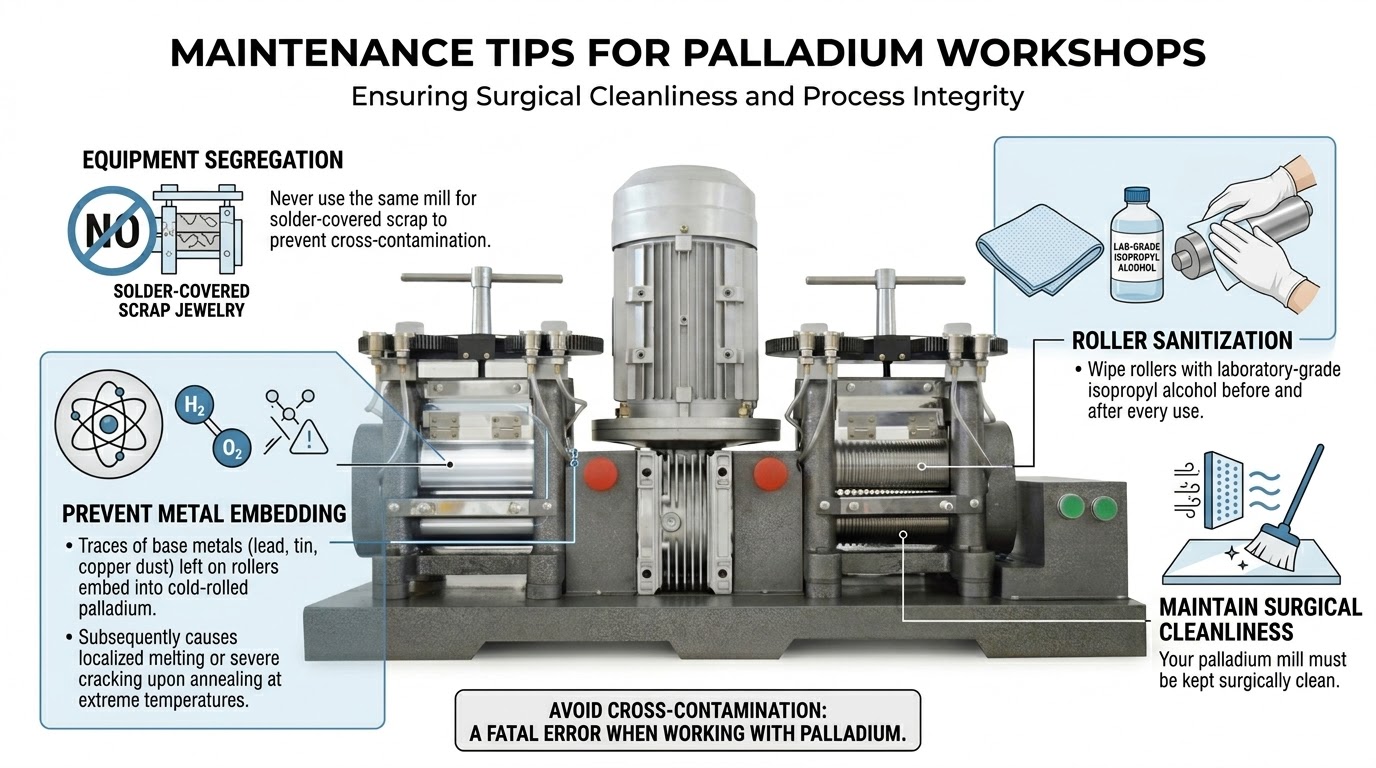
- Cross-contamination: A fatal error when working with palladium.
- Metal Embedding: Because palladium is rolled cold but annealed at extreme temperatures, any trace of base metals (like lead, tin, or even copper dust) left on the rollers will embed into the metal.
- Heat Damage: When subsequently heated, these contaminants will cause localized melting or severe cracking.
- Cleanliness Standards: Your palladium mill must be kept surgically clean.
- Roller Sanitization: Wipe the rollers with laboratory-grade isopropyl alcohol before and after every use.
- Equipment Segregation: Never use the same mill to roll solder-covered scrap jewelry.
Frequently Asked Questions about Palladium Tools
- Q: Why does my palladium ingot crack down the middle when rolling?
- A: Center-cracking is almost always a result of gas absorption during the melting process, not a failure of the mill. However, taking passes that are too deep (more than 10% reduction) will instantly trigger those internal flaws.
- Q: Is rolling palladium harder than rolling platinum?
- A: Palladium is less dense than platinum, but it can be more stubborn and prone to work-hardening depending on the alloy (e.g., Ruthenium vs. Gallium alloys). Both require a high-torque, 5:1 gear ratio mill.
- Q: Should I roll palladium hot or cold?
- A: Always cold. Rolling hot palladium on steel rollers will instantly draw the temper out of the steel, ruining the HRC 64 hardness and destroying your mill.
- Q: Why are the edges of my palladium wire tearing in the V-grooves?
- A: You are likely skipping a groove to save time. Palladium does not tolerate aggressive reductions. You must step down through every single micro-graduated V-groove to keep the grain structure intact.
- Q: Can I use a standard 4:1 combination mill for palladium?
- A: It is possible for very thin sheet, but breaking down a fresh cast ingot will likely strain the gears and exhaust the operator. A dedicated heavy-duty mill is strongly advised.
Ready to upgrade your Palladium Processing setup?
Get a Quick Quote. Our team will provide a detailed quote sheet within 3 hours.