

Cheap tools won’t just slow you down—they will gouge your silver, snap blades mid-cut, and turn hours of bench work into scrap metal. High-grade metalsmith tools are permanent shop infrastructure, not disposable hobby gear. Here is how to pick the right specs from day one and skip the useless starter kits.
Core Buyer Criteria: How to Evaluate Any Metalsmith Tool
Before buying, screen any tool against four quick quality checks:
- Steel Hardness (58–64 HRC): Choose high-carbon or alloy tool steel. Soft steel mushrooms under hammer strikes, chips at cutter edges, and quickly rusts from bench flux.
- Mechanical Alignment: Jaws on pliers must close flush without light gaps; saw frame thumbscrews must hold tight tension without stripping.
- Ergonomics: Prioritize balanced weight, comfortable handle diameter, and smooth spring returns to prevent repetitive wrist strain during long sessions.
- Mirror-Polished Finish: Any striking or forming surface (hammers, mandrels, dapping blocks) must be mirror-smooth—any dent or machine line will imprint directly onto gold and silver.
Tier 1: Essential Starter Tools (The Non-Negotiables)
If you are outfitting an empty bench, these are the indispensable hand tools required to pierce, file, true, and measure metal accurately before touching a torch or flex shaft.
Jeweler’s Saw Frame
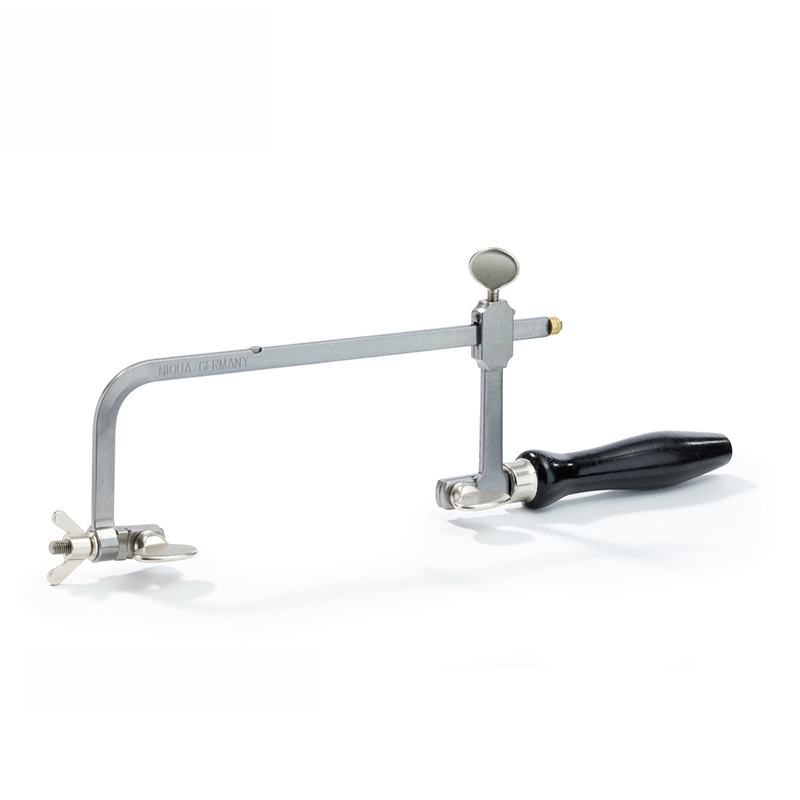
- Recommended Specs: 2.5-inch to 3-inch throat depth, lightweight rigid steel frame or tension-adjustable aluminum frame.
- Selection Criteria: Avoid 5-inch or 6-inch deep-throat frames when starting out. Deep frames are top-heavy, flex excessively during vertical strokes, and multiply blade breakage. A rigid 2.5-inch to 3-inch frame keeps the center of gravity directly over your cutting line, offering tight directional control through intricate piercing. Ensure the clamping thumbscrews are knurled and paired with serrated, hardened plates to lock blade ends securely.
High-Grade Piercing Saw Blades
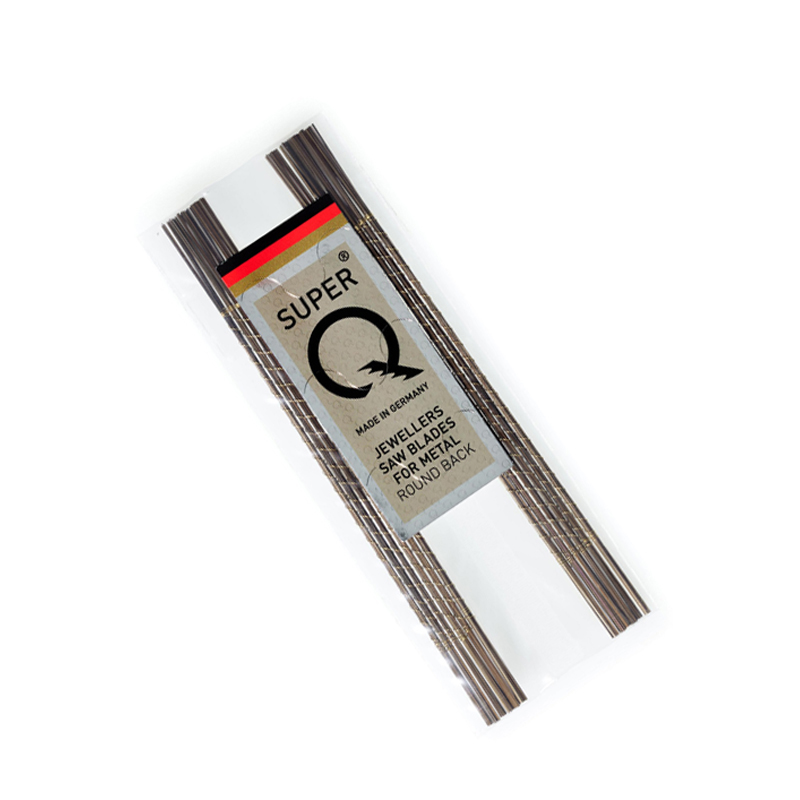
- Recommended Specs: Swiss or German tempered alloy steel blades in sizes #2/0, #3/0, and #4/0.
- Selection Criteria: The golden rule of piercing is maintaining at least three saw teeth in contact with the thickness of your metal at all times. Bargain blades purchased in bulk lots often suffer from inconsistent tooth pitch, absent rakes, and brittle tempering; they bind, snap on gentle curves, and drift off scribed layout lines. Premium blades feature micro-milled, uniformly set teeth that clear chips cleanly and flex without shattering under slight lateral torque.
Hand Files and Precision Needle Files
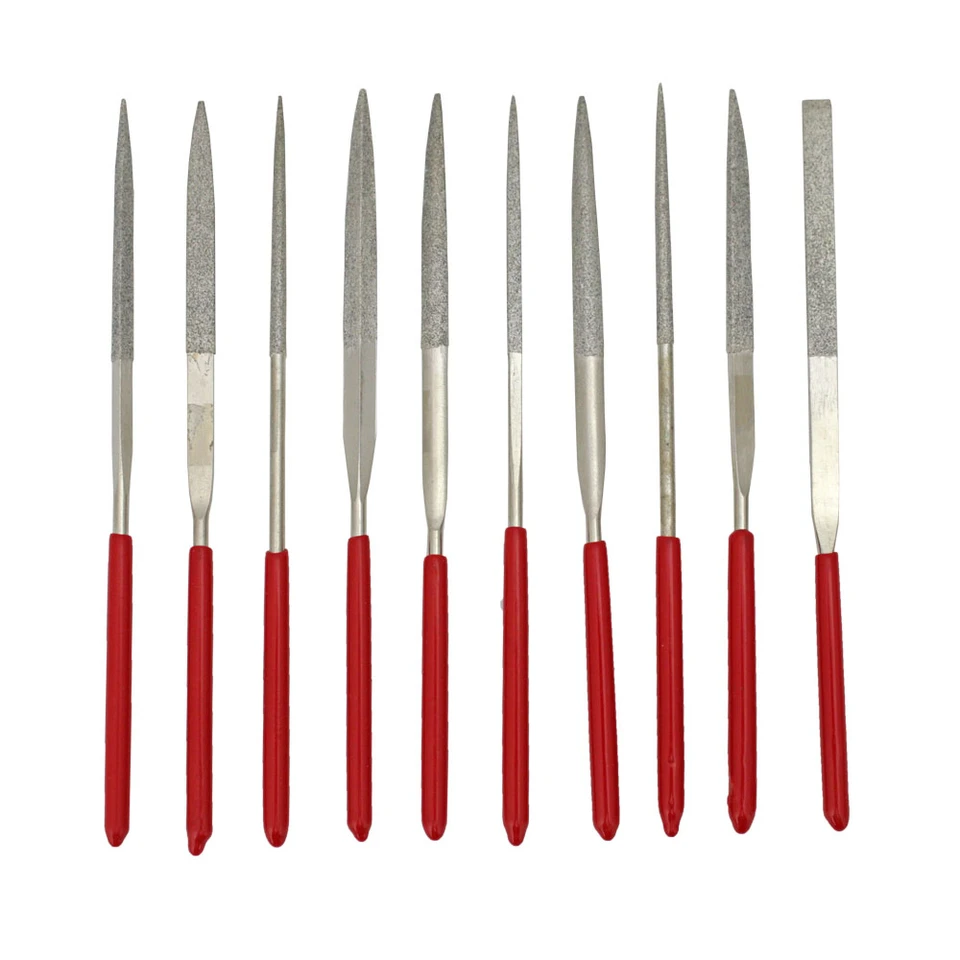
- Recommended Specs: One 6-inch or 8-inch Half-Round Hand File (Swiss Cut 2) paired with a 6-piece, 14 cm needle file set (Cut 2 or Cut 4).
- Selection Criteria: A Swiss Pattern Cut 2 provides the ideal ratio between aggressive stock removal and a clean, sandable surface profile. Cheap hardware-grade carbon files skate across silver without biting, clogging with metal debris and leaving deep chatter marks that take hours to sand away. Pair your main hand file with a comfortable wooden handle, and use needle files for refining tight internal cutouts and bezel seats.
Forming and Striking Hammers
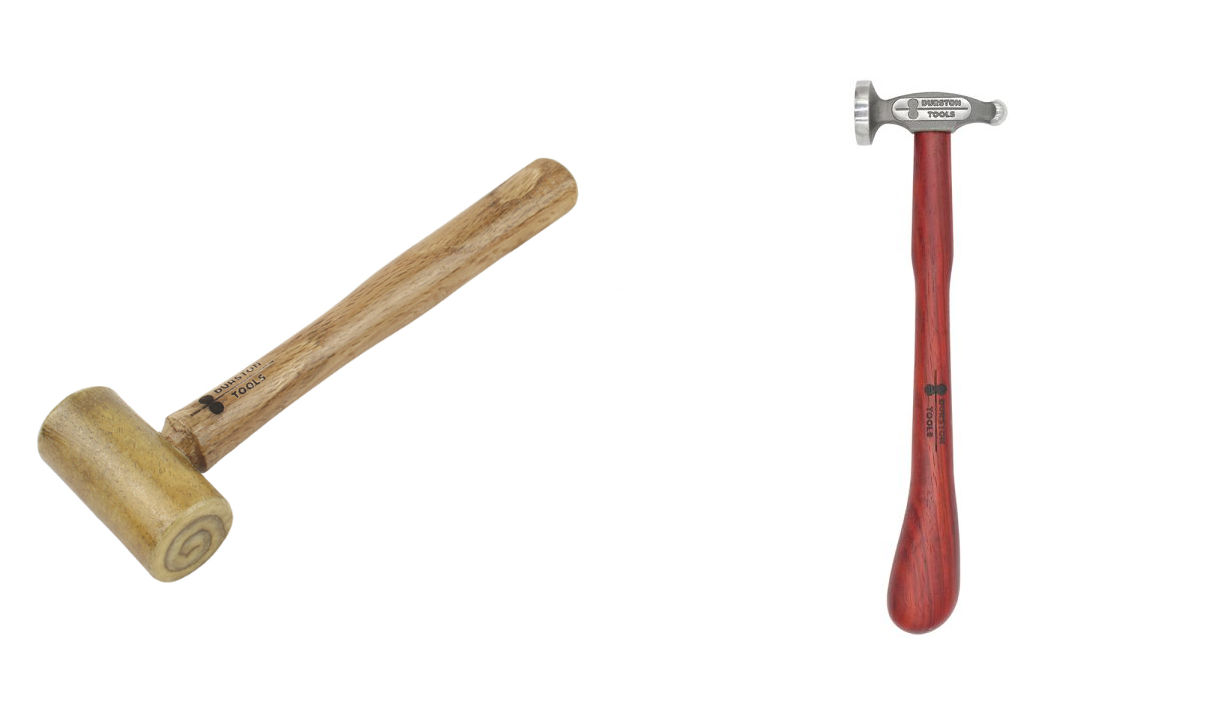
- Recommended Specs: 1-inch to 1.25-inch diameter weighted rawhide mallet alongside a 28 mm to 32 mm chasing hammer.
- Selection Criteria: A rolled rawhide mallet allows you to straighten bent wire, shape cuffs, and true ring bands against a mandrel without stretching the metal gauge or leaving impact marks. The chasing hammer features a thin, springy handle with a bulbous grip, paired with a forged steel head. The striking face must be slightly convex and polished to a mirror shine to strike chasing tools cleanly or hammer-texture metal without slicing into the surface.
Hardwood Bench Pin and Steel Anvil Combo
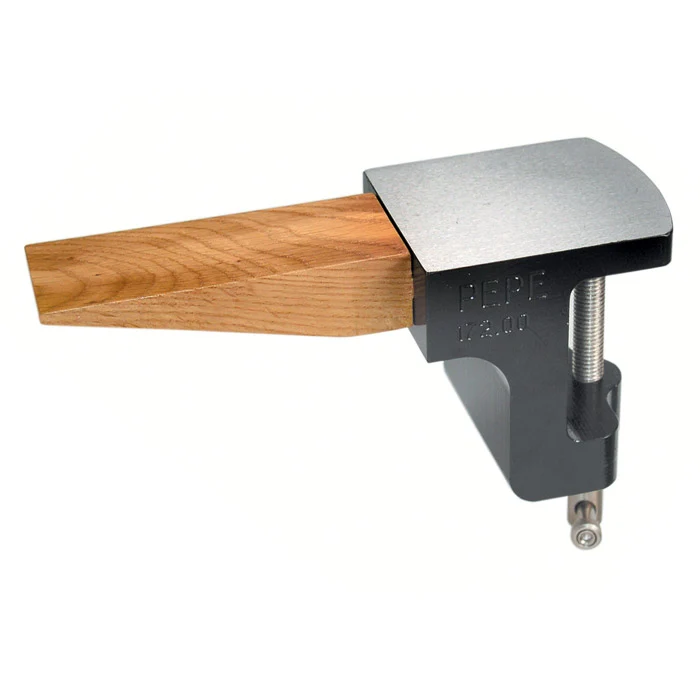
- Recommended Specs: Close-grained hardwood pin (beech or maple) with a pre-cut V-slot, secured to the bench via a heavy clamp or steel mounting bracket containing an integrated, polished anvil plate.
- Selection Criteria: The bench pin is the primary work support in any jewelry studio. It must mount with zero vertical play under sawing pressure. Hard maple resists splintering and provides stable edge support for filing and sawing. The integrated, hardened steel anvil surface provides a rigid base for truing jump rings, flattening wire, and light stamping without dampening striking energy.
Precision Measuring Calipers
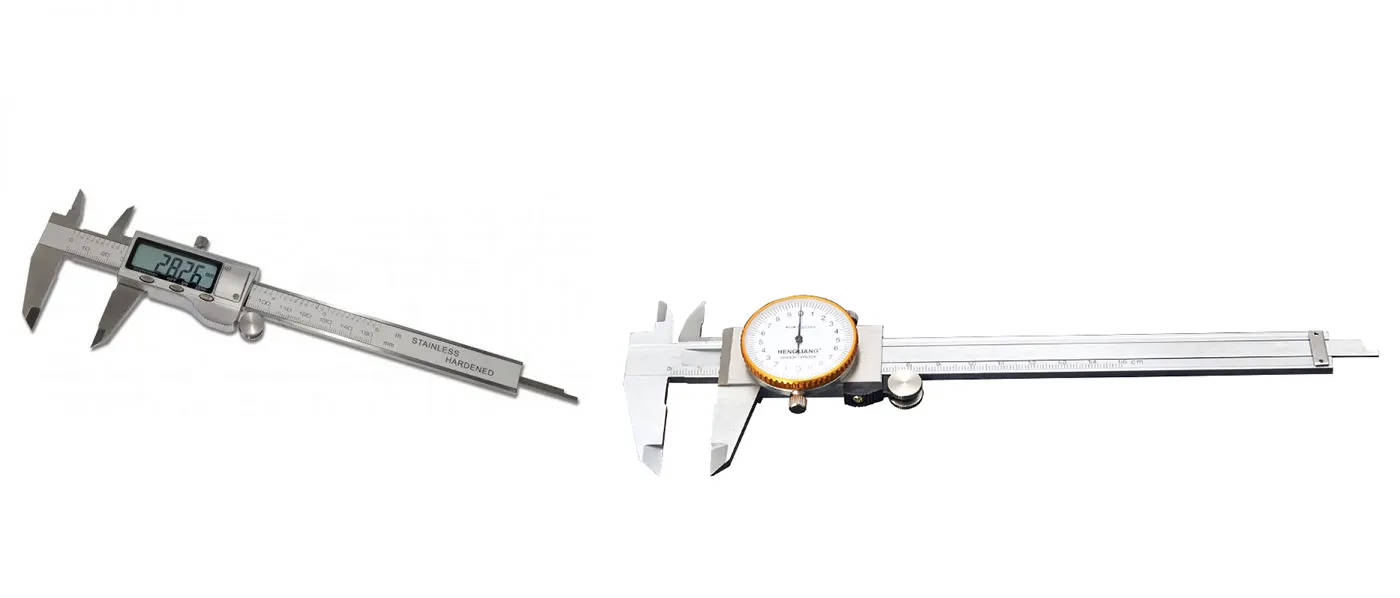
- Recommended Specs: 0–150 mm stainless steel digital or dial caliper with 0.01 mm resolution and lock screw.
- Selection Criteria: Accuracy in metalsmithing is measured in tenths of a millimeter. Calipers are essential for verifying sheet gauge, matching wire dimensions, measuring stone diameters, and laying out bezel wall heights. Ensure the jaws are ground from hardened stainless steel with ground bevel tips that can scribe layout lines directly onto sheet stock.
Tier 2: Forming, Holding & Bench Support (Mid-Stage Essentials)
Once you begin moving flat sheet into three-dimensional forms and assembling complex hollowware or stone settings, precision workholding and forming tools become necessary.
Essential Jewelry Pliers and Cutters Quartet
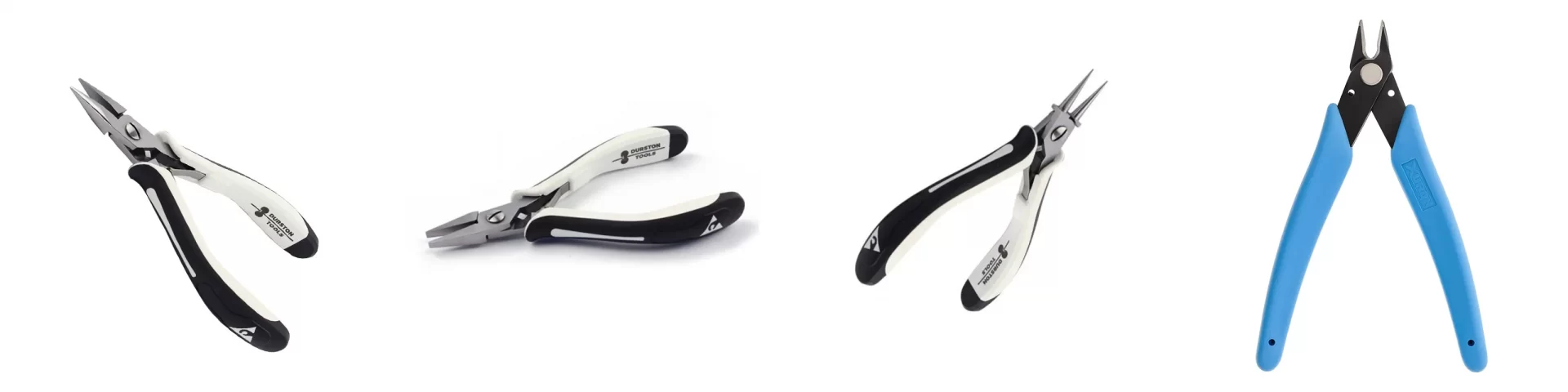
- Recommended Specs: Chain-nose, flat-nose, round-nose, and flush side-cutters built with box-joint construction and smooth, non-serrated jaw interiors.
- Selection Criteria: Never use hardware store pliers; serrated jaws crush and mar precious metal sheet instantly. Box-joint construction—where one half of the joint completely encloses the other—maintains tight jaw alignment over years of twisting, whereas cheaper lap joints loosen, wobble, and misalign. Your flush cutter should feature induction-hardened blades with a dedicated micro-bevel or flush profile to yield clean, 90-degree wire ends that require minimal trueing before soldering.
Hardened Steel Mandrels
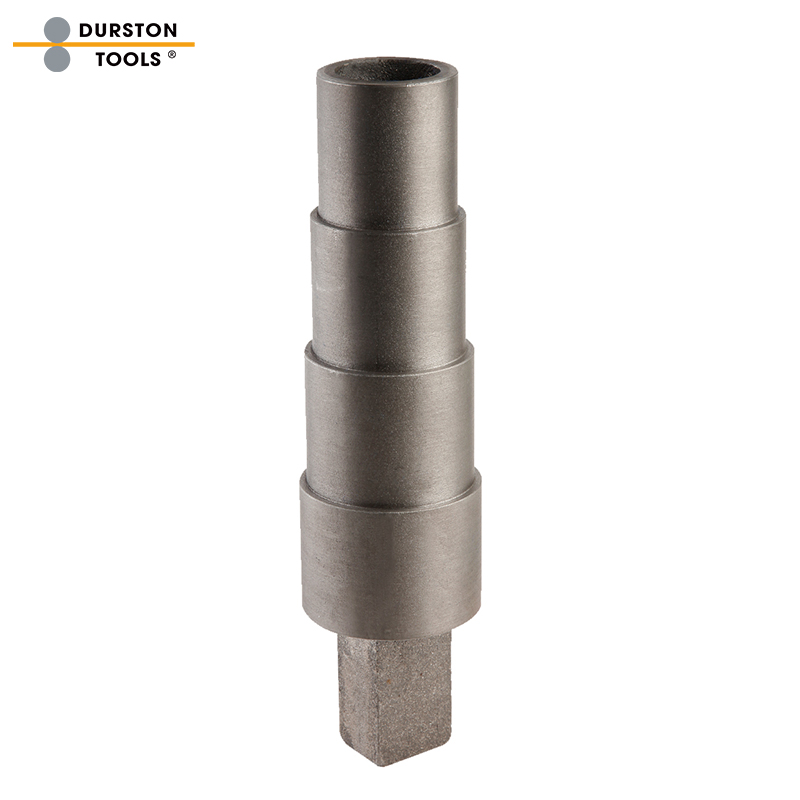
- Recommended Specs: Solid forged steel graduated ring mandrel (sizes 1–15, laser-engraved) and stepped round/oval bezel mandrels.
- Selection Criteria: Pass over hollow, lightweight aluminum mandrels. Aluminum absorbs the energy of hammer strikes, makes truing ring shanks difficult, and dents under steel-faced hammers. Solid tool-steel mandrels offer rigid resistance and clean rebound. Inspect the surface: ground finishes must be smooth and free of lateral tooling rings that could imprint inside ring shanks.
Dapping Block and Punch Sets
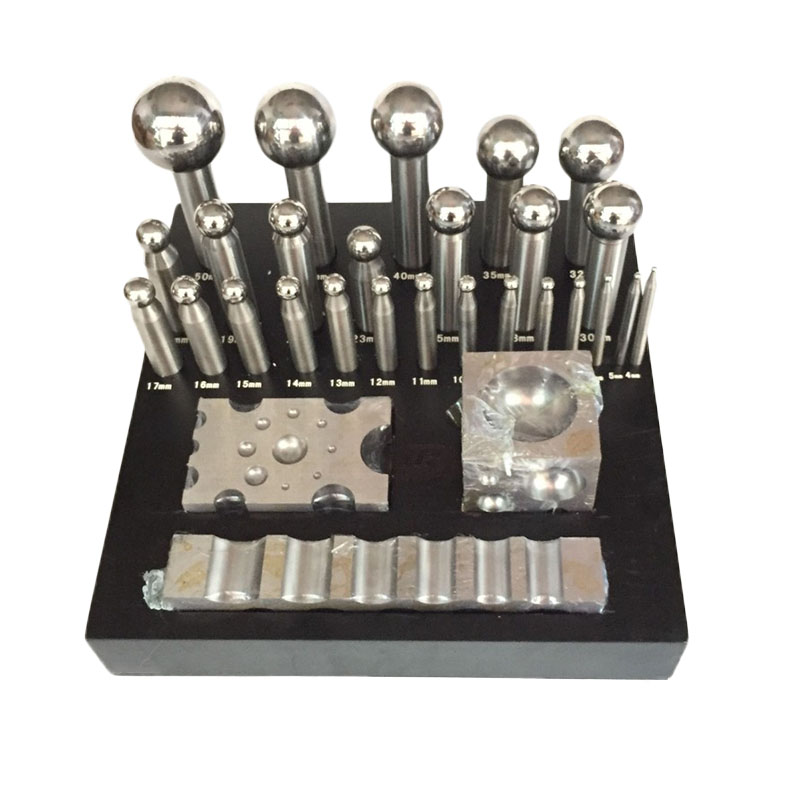
- Recommended Specs: 24-piece to 36-piece hardened tool-steel punch set matched to a multi-cavity, polished steel dapping block.
- Selection Criteria: Used for doming discs into calibrated spheres, bead caps, and hollow beads. Each cylindrical punch head must be uniformly spherical and polished without surface pitting. Cheap cast blocks often feature rough, unmachined cavity walls that scar silver sheet during doming and have loose tolerances that yield lopsided, asymmetrical domes.
Workholding Clamps and Ring Vises
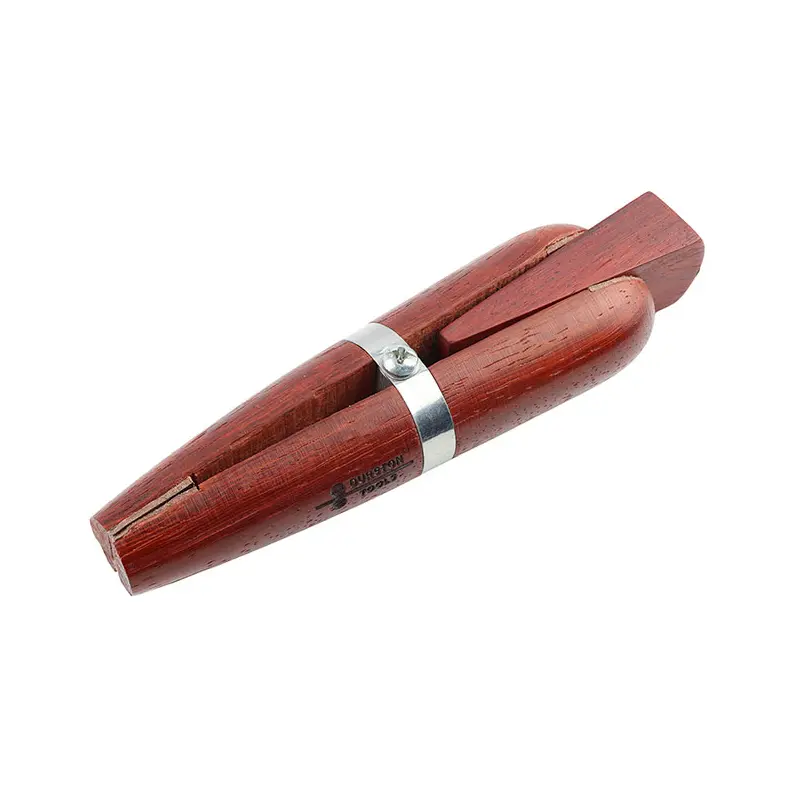
- Recommended Specs: Double-ended hardwood ring clamp with leather-lined jaws and wedge lock, alongside a small, smooth parallel-jaw hand vise.
- Selection Criteria: Attempting to file small components or set stones while gripping pieces between your bare fingers leads to inaccurate edge angles and slips. A classic wooden ring clamp uses thick leather jaw inserts to grip irregular items firmly without marring delicate bands or gallery wire, while the wooden wedge locks the grip tightly under hand pressure.
Tier 3: Powered Equipment & Studio Upgrades (Scale & Efficiency)
When bench fabrication moves from occasional hobby projects to consistent studio production, motorized gear and forming machinery streamline labor-intensive tasks.
Rotary Systems: Flexible Shaft vs. Brushless Micromotor
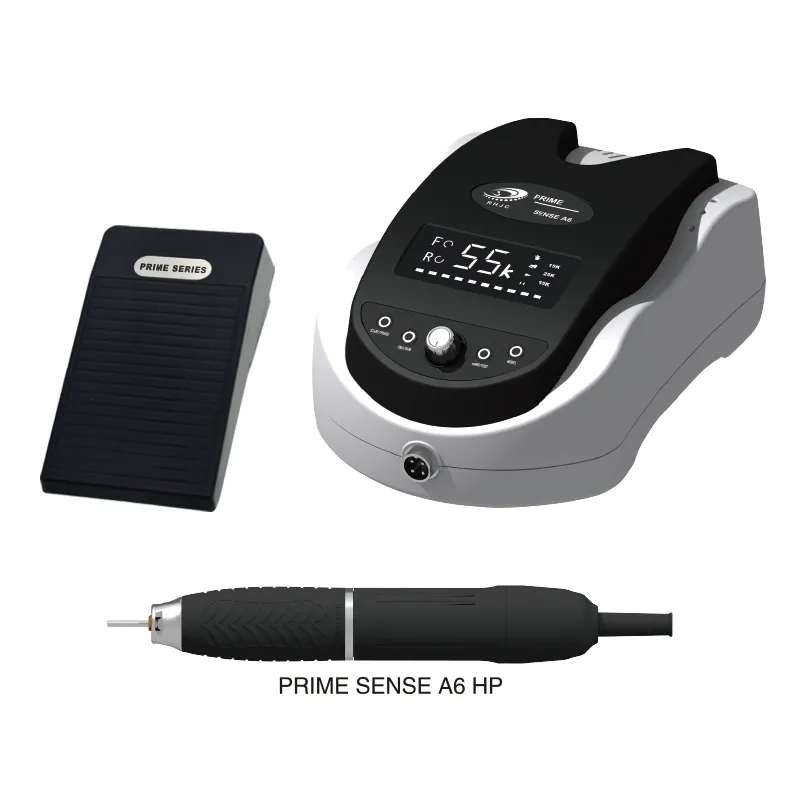
- Recommended Specs: 1/6 HP hanging flex shaft (up to 18,000 RPM) with foot pedal control and a standard #30 keyed handpiece, or a brushless lab micromotor (35,000–50,000 RPM) delivering high continuous torque.
- Selection Criteria: Evaluate handpiece runout (radial concentricity) above all else. Any off-center wobble in the chuck destroys fine setting burrs, chatters across metal surfaces, and makes precise prong cutting impossible. Traditional hanging flex shafts offer raw torque for aggressive grinding, grinding down sprues, and high-speed polishing buffs. Brushless micromotors eliminate the drag of a flexible inner shaft, giving you nimble hand control and quiet operation ideal for fine micro-pave, drilling, and detail engraving.
Jeweler’s Rolling Mill
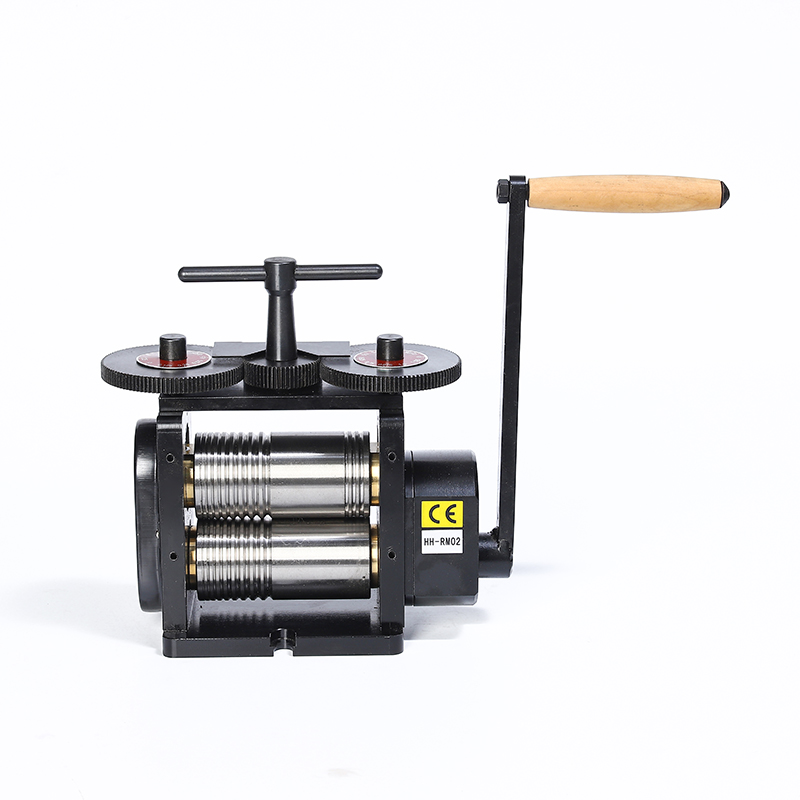
- Recommended Specs: Combination rolling mill featuring flat sheet and square wire grooved sections, 60–64 HRC induction-hardened rollers, and a 4:1 or 5:1 reduction gearbox.
- Selection Criteria: A rolling mill frees you from buying pre-dimensioned wire and sheet stock by allowing you to melt down clean scrap and roll custom stock. Frame rigidity is critical: heavy cast ductile iron housings prevent structural frame flex under working loads. The rollers must close in parallel across their working width; uneven rollers produce curved strip stock and twisted square wire.
Soldering Station Essentials
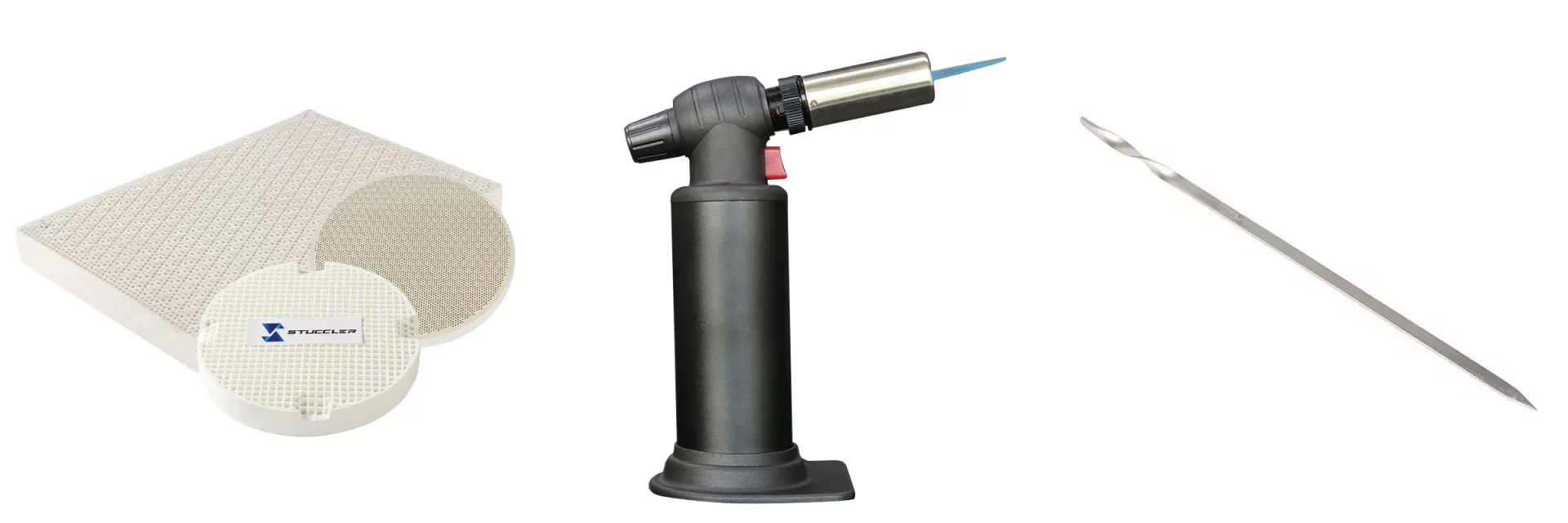
- Recommended Specs: High-density ceramic or honeycomb soldering board, rotating annealing pan filled with natural pumice, an adjustable torch system (refillable butane micro-torch or dual-gas setup), and titanium solder picks.
- Selection Criteria: Thermal management is central to clean brazing. Lightweight ceramic and honeycomb boards reflect heat back into the joint rather than absorbing it, allowing solder to flow quickly without overheating the entire piece. Titanium picks allow you to position tiny solder pallions directly into seams without solder adhering to the pick itself. Pair this station with insulated, cross-locking tweezers to hold components steady under direct flame.
Critical Pitfalls & “Starter Kit” Traps to Avoid
- The “All-in-One 50-Piece” Kit Trap: Cheap bundles look tempting, but 80% of the tools feature soft steel, wobbly lap joints, and unhardened hammers. Buy core tools individually instead.
- Repurposing Hardware Store Tools: Mechanics’ pliers have serrated jaws that chew up wire, and standard claw hammers lack the polished, crowned face needed to strike metal without gouging it.
- Skipping Basic Safety Gear: High-speed burs throw metal shavings, polishing kicks up fine toxic dust, and pickling splashes hot acid. Always factor safety glasses, an N95 dust mask, and copper tongs into your initial budget.
Building a Capable Bench with JYBS
Selecting the best metalsmith tools for jewelry requires aligning tool materials, mechanical tolerances, and ergonomic balance with the demands of your studio. By focusing your initial budget on high-precision essentials—rigid saw frames, Swiss files, box-joint pliers, and polished forming surfaces—you establish a clean, predictable workflow that saves time, materials, and effort on every piece.
For professional studios, jewelry schools, and independent makers looking to establish or scale up their workspace, JYBS provides access to a comprehensive catalog of industrial-grade metalsmith tools. As an established supplier supporting both individual artisans and bulk wholesale orders, JYBS focuses on the technical specifications that bench jewelers rely on: hardened alloy steel, true runout tolerances, and dependable workshop durability.