

Why Jewelry Students Need a Specific Type of Rolling Mill
- The Learning Process: When outfitting an educational studio or purchasing a first mill for a jewelry student, the criteria differ drastically from a master goldsmith’s needs. Students are in the process of learning the fundamental properties of metallurgy—specifically malleability and ductility.
- Anticipating Common Mistakes: They will make mistakes. They will forget to perform the annealing process. They will attempt to roll metal that has reached maximum work hardening. Therefore, a student’s rolling mill must prioritize rugged durability, user safety, and extreme cost-efficiency.
- Safety and Durability Requirements: A mill used in an educational setting needs heavily shielded gears to prevent pinched fingers. The rollers must have a high HRC hardness rating to survive the inevitable moment a student accidentally attempts to roll a piece of steel wire or un-pickled copper.
- The Educational Value of Balanced Gear Ratios: While old-school training often used exhausting 1:1 direct-drive mills, modern educational studios prioritize student physical safety. A 4:1 reduction gear is the ideal sweet spot. It prevents repetitive strain injuries during heavy wire drawing, yet it isn’t completely effortless—meaning students will still feel the handle become difficult to turn, teaching them exactly when the metal requires heat treatment.
Key Technical Specs for Student Applications
Safety and survivability are the defining factors for a classroom or beginner’s bench.
| Specification | Recommended Range | Why It Matters for Students |
| Gear Ratio | 4:1 Reduction Gear | Provides the perfect balance between physical assistance and tactile feedback. It prevents shoulder strain and makes metalworking accessible to all students, while still allowing them to clearly feel the resistance when metal work-hardens and requires annealing. |
| Gear Housing | Fully Enclosed | Critical safety feature for classrooms to prevent clothing, hair, or fingers from catching in the gears. |
| Roller Hardness | HRC 60 – 62 | High resistance to pitting and scratching from user errors, such as rolling uncleaned flux or hard base metals. |
Top 3 Rolling Mill Recommendations for Jewelry Students
Built to survive the learning curve, these three models offer the best balance of price, safety, and functionality:
1. Durston® DRM Rolling Mills DRM C100RE
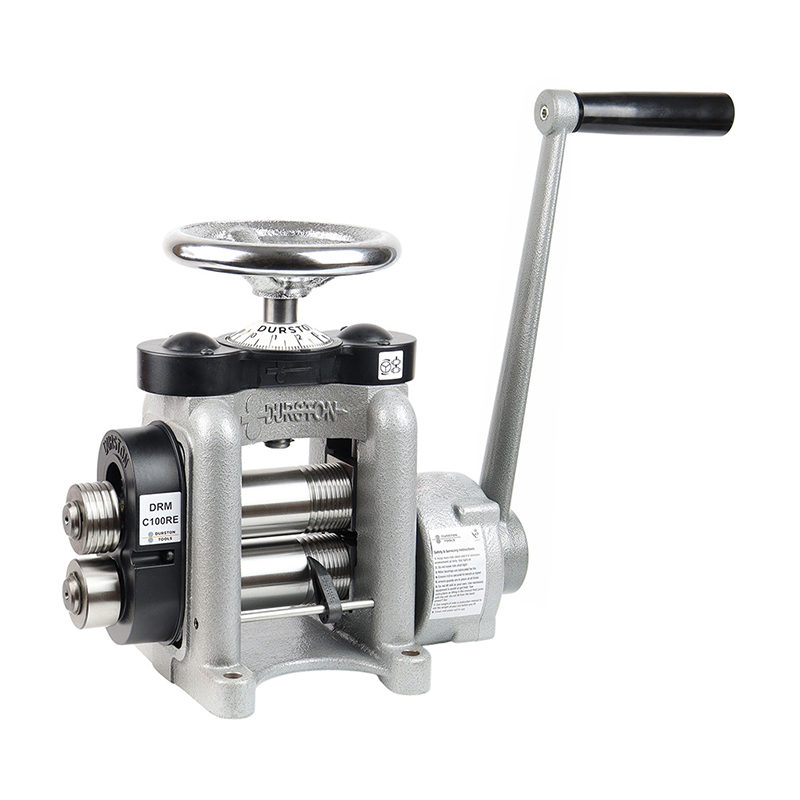
- Key Specs: 100mm Roll Length, 50mm Roller Diameter, 4:1 Gearbox, 65mm Flat Area, 9 Square Grooves, Max Sheet Thickness: 5.5mm, Weight: 29KG.
- Verdict: The absolute gold standard for university jewelry programs and dedicated apprentices. Featuring a self-lubricating 4-to-1 gearbox, this 29kg workhorse is incredibly durable and built to withstand daily classroom use. The generous 65mm flat area and comprehensive extension rollers (ranging from 1.5mm to 4mm half-round) allow students to safely explore advanced metal forming techniques with professional-grade equipment designed to last an entire career.
2. US Made Flat Rolling Mill 110MM(L)55MM(D) – JYBS
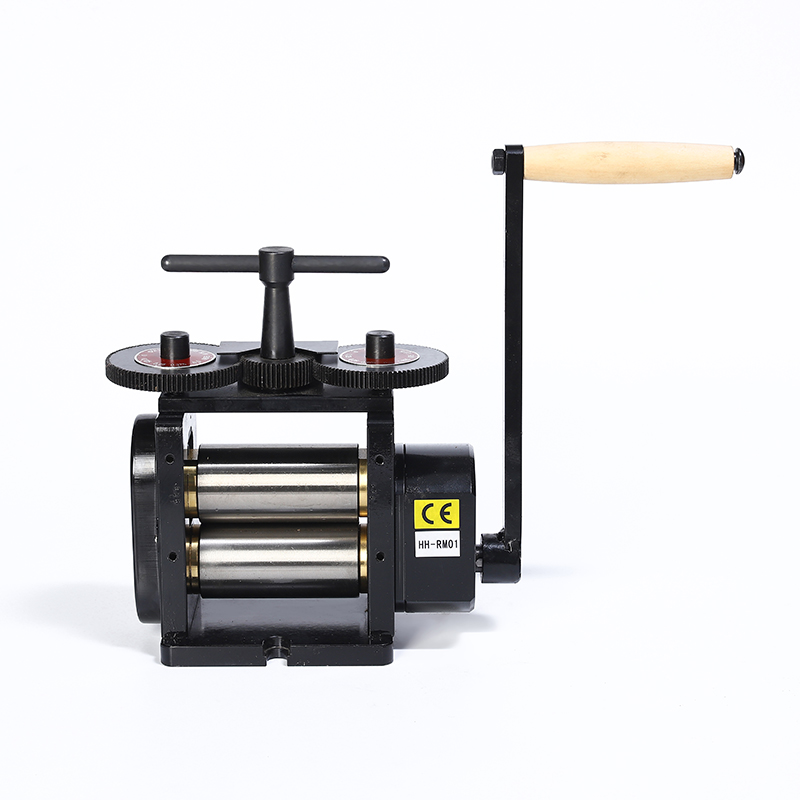
- Key Specs: 110mm Roll Width, 55mm Roller Diameter, 4:1 Gear Ratio, 110mm Dedicated Flat Area, Max Opening: 4mm, Weight: 18.5KG, Color: Black.
- Verdict: A fantastic, highly manageable option for advanced students transitioning to their first independent home workspace. Weighing just 18.5kg with a compact 23×13.5x28cm footprint, this dedicated flat mill is perfect for tight dorms or apartment benches. The full 110mm flat rolling area paired with a 4:1 gear ratio ensures students can easily prepare consistent sheet metal for bezel settings and sawing exercises without the heavy footprint of a massive combination mill.
3. Economic Manual Rolling Mill For Jewerly – JYBS
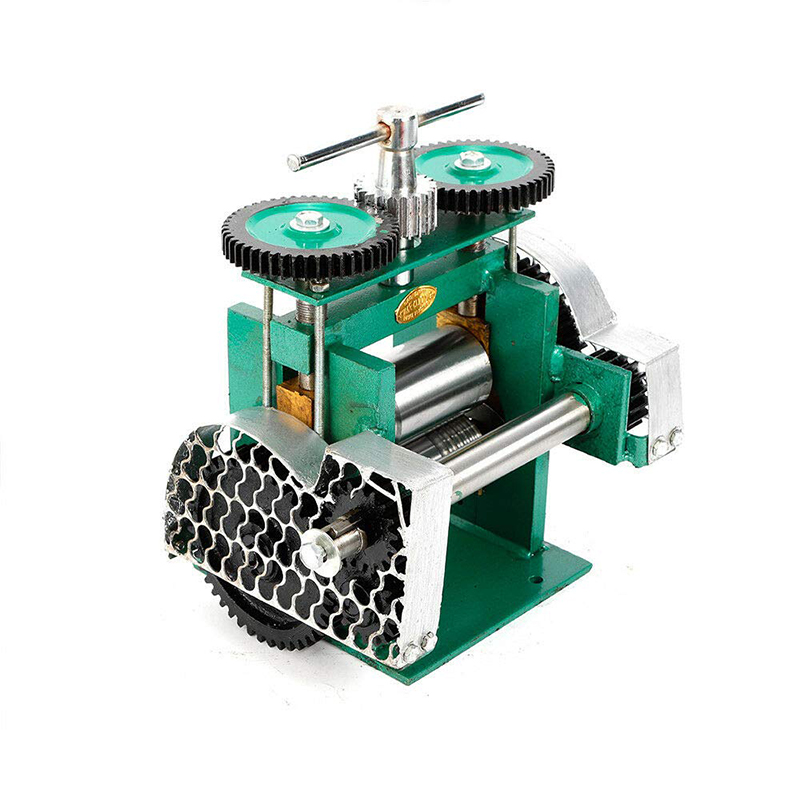
- Key Specs: 4:1 Gear Ratio, 53mm Flat Area, Multiple Wire Grooves (Square, Round, Half-Round Ellipse), Max Opening: 5mm, Weight: 45 lbs, Color: Green.
- Verdict: The ultimate, budget-friendly starter mill for absolute beginners. This distinctive green mill offers an incredible array of forming options in one machine—giving students the ability to experiment with fundamental wire drawing and sheet flattening techniques simultaneously. The 4:1 gear ratio provides essential mechanical assistance for a smooth learning process, making it a highly practical and economical first step into metalworking.
Maintenance Tips for Student Workshops
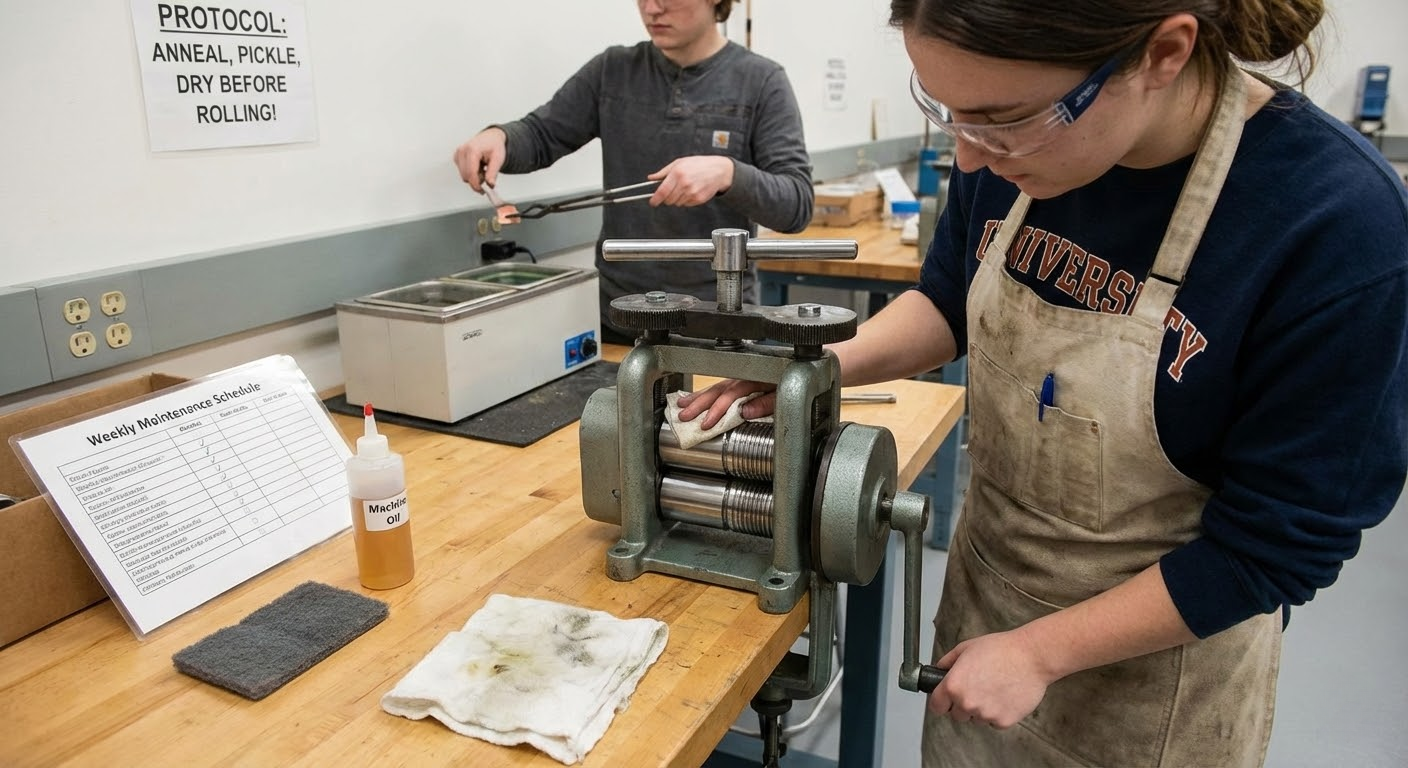
- Enforcing Strict Protocols: In a classroom, equipment abuse is a given. Instructors must enforce strict protocols: no metal enters the mill without being freshly annealed, pickled, rinsed, and completely dried. Wet metal will cause the rollers to flash-rust overnight.
- Weekly Maintenance Schedule: Create a weekly maintenance schedule where students learn to safely clean the rollers with a fine Scotch-Brite pad (only if rust appears) and re-coat them with a protective film of light machine oil.
- Preserving the Equipment: Teach students to always relieve the tension on the rollers (open them up) when the mill is not in use to prevent flat spots on the bearings.
Frequently Asked Questions about Student Tools
- Q: Is a direct-drive (1:1) or reduction gear (4:1) better for students?
- A: A 4:1 reduction gear is highly recommended for modern classrooms. While 1:1 mills teach metal resistance the “hard way,” they demand significant physical strength and can cause muscle strain. A 4:1 ratio makes metalworking accessible to everyone, reducing fatigue while still providing enough tactile feedback for the student to recognize when the metal needs to be annealed.
- Q: What happens if I roll metal that isn’t properly annealed?
- A: The metal’s grain structure becomes tightly compressed, increasing its tensile strength until it fractures. It can also cause extreme stress on the mill’s frame and bearings.
- Q: Can students use this to roll base metals like brass and copper?
- A: Yes, brass and copper are excellent for practice. However, they work-harden faster than fine silver, so students must be diligent about frequent annealing cycles.
- Q: How do I clean rust off my student mill?
- A: For light surface rust, use a heavily oiled piece of 0000 steel wool or a fine Scotch-Brite pad, gently rubbing parallel to the roller. Wipe clean and re-oil immediately.
- Q: Is a combination mill better than a flat mill for learning?
- A: Yes. A combination mill allows students to learn both sheet fabrication and wire drawing techniques (using the V-grooves) on a single piece of equipment.
Ready to upgrade your Jewelry Student setup?
Get a Quick Quote. Our team will provide a detailed quote sheet within 3 hours.